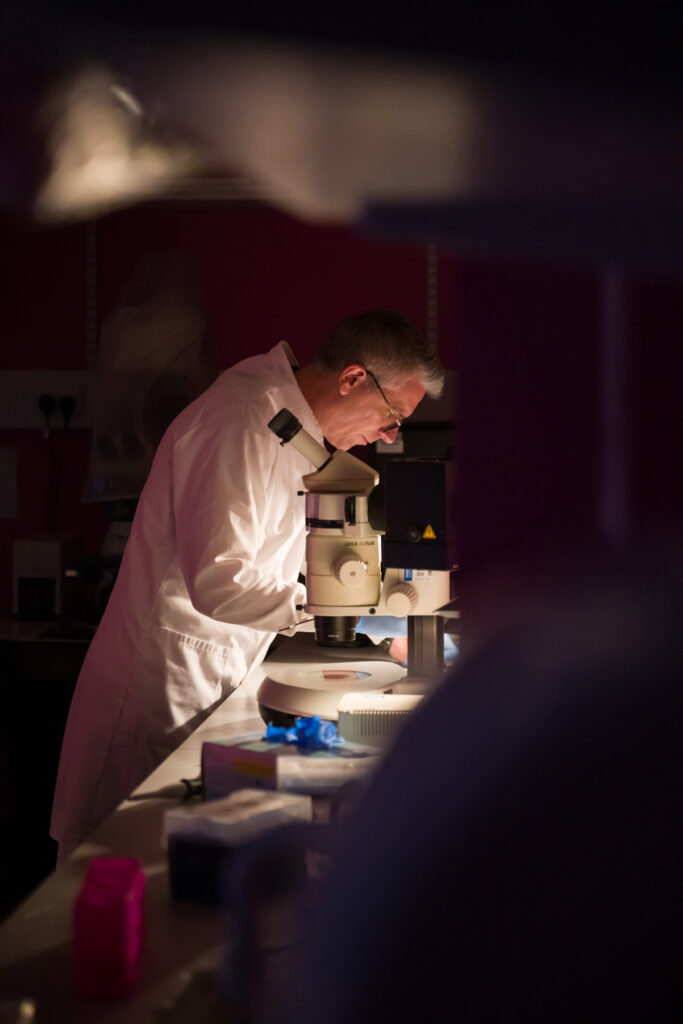
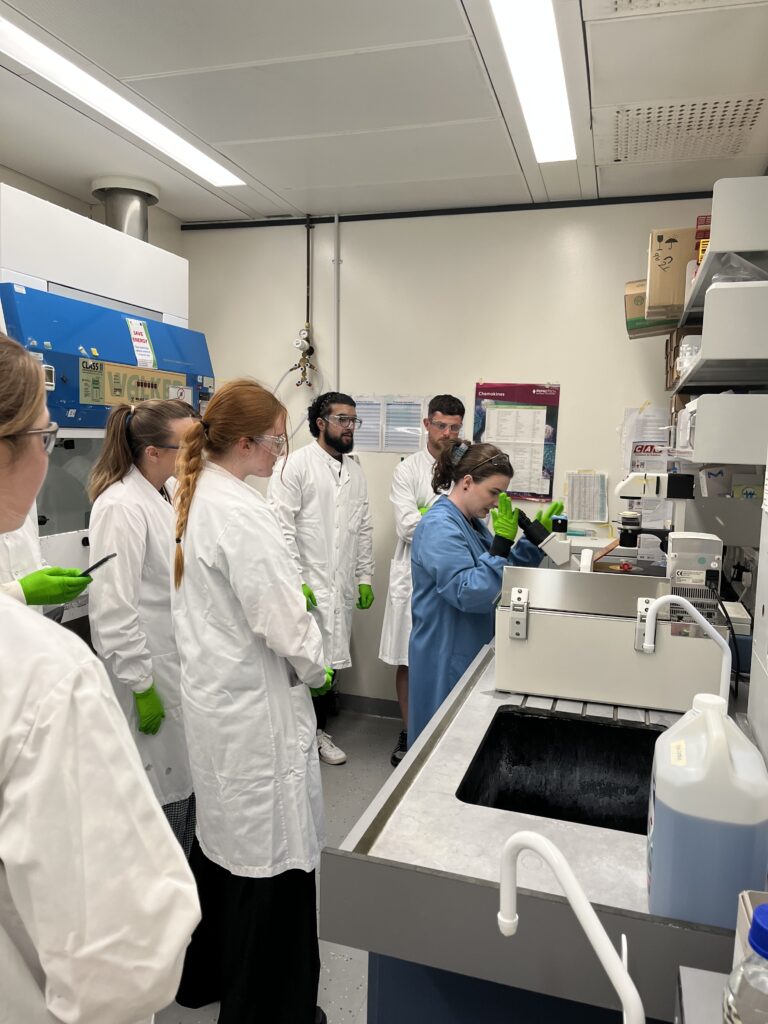
Led by Professor Matthew Webber and Professor Zhiqiang Cao, these projects aim to develop smarter, more responsive insulin therapies that could dramatically reduce the daily burden of diabetes management. At the heart of their work is a deep commitment to public and patient involvement (PPI).
By involving people living with diabetes early and often, both teams are ensuring that their therapies are not only effective in the lab but meaningful in real life. To do that, they’ve used surveys to gather insights directly from people with lived experience on their needs, worries and hopes for better insulins.
Webber’s vision: Glucose-responsive insulin that works with you
Professor Webber’s project is focused on developing smart, glucose-responsive insulin therapy. This could take the form of a once-daily or potentially once-weekly injection that automatically adjusts insulin levels in response to changes in blood glucose levels. In a survey of 31 people with type 1 diabetes, participants expressed both excitement and caution.
Many were excited by the idea of fewer injections and fewer decisions. One participant noted that such a therapy could offer “greater freedom and reduced burden in managing their diabetes,” while others highlighted the appeal of “once-daily administration over more frequent dosing.”
However, the feedback also revealed important concerns:
- Safety and adaptability: people emphasised the need for the therapy to be flexible in adapting to everyday life, with variations in activity, food intake, and stress.
- Dosing anxiety: some felt uneasy about relying entirely on an autonomous “smart” insulin delivery and not being able to make manual adjustments. They suggested delivery methods that mirror current insulin pens could be helpful in easing concerns.
- Hypoglycaemia risk: many called for robust safety mechanisms and integration with continuous glucose monitoring (CGM) systems and alarm systems to prevent low blood sugars.
These invaluable insights have already been shaping Professor Webber’s project, as he explained to participants:
“Your insights are deeply appreciated and have had a meaningful impact on how we think about the future of insulin delivery. While scientific innovation is a key driver of progress, your lived experiences help illuminate what truly matters in day-to-day diabetes management.”
He added that the team is committed to designing a therapy that is not only scientifically advanced but also ‘practical and aligned with real-world needs.’
Cao’s approach: Faster, smarter insulin for real-life challenges
Professor Zhiqiang Cao’s project is focused on developing a smarter insulin that acts more quickly and precisely – especially after meals when blood sugar spikes are most common. His team surveyed 139 people, gathering a wealth of insights into the everyday challenges of diabetes management.
- Hypoglycaemia is common and disruptive: two-thirds of respondents reported experiencing low blood sugar weekly or more often, with many describing it as a major source of stress and disruption to daily life.
- Mental health and decision fatigue: many participants spoke of the constant mental load of managing diabetes. One respondent shared that the burden of monitoring and decision-making made it hard to “relax and enjoy life.”
- Desire for simplification: there was a strong call for fewer injections, less carb counting, and more automation. Participants expressed a clear desire for insulin that could “respond automatically to blood sugar levels” and reduce the “rollercoaster” of highs and lows.
The survey also revealed that many people struggle with slow recovery from high blood sugar, especially after meals, and skin irritation from pumps and CGMs.
In response, Professor Cao’s team is now aiming for their insulin to return blood sugars to range within 1–2 hours and exploring ways to reduce skin complications.
Professor Cao expressed his gratitude in a message to participants:
“Your insights have been invaluable in guiding our development efforts toward a smarter insulin, ensuring that the solutions we pursue align with the most pressing needs. Your feedback has also inspired new directions as we move into the preclinical and clinical stages.”
Looking ahead
For Professor Webber and Professor Cao, the insights they’ve gathered are shaping everything from product design to safety features. And as both projects move toward clinical development, the researchers remain committed to ongoing engagement with the type 1 diabetes community. Professor Cao’s team plans to expand their survey to 200 participants, while Professor Webber’s team continues to refine their therapy based on real-world feedback.
By listening to the voices of people living with diabetes, these projects are setting a new standard for how research can, and should, be done.
“Thank you again for your generous contribution to this work,” Professor Webber wrote.
“By centring your voices in our research, we hope to design solutions that are not just scientifically promising but capable of improving quality of life in tangible and lasting ways.”
If you’re a researcher and want to involve individuals living with type 1 diabetes in your project, visit Breakthrough T1D’s page on including people affected by type 1 diabetes in your research or Patient and public involvement & engagement (PPIE) in your study | Diabetes UK
Alternatively if you are interested in getting involved in research, visit Volunteer | Breakthrough T1D UK or Get involved in research | Diabetes UK