
Home » Building a trans-Atlantic pipeline of beta cells to speed up research
Building a trans-Atlantic pipeline of beta cells to speed up research
Beta Cell Validation Sites
Home »
Beta Cell Validation Sites
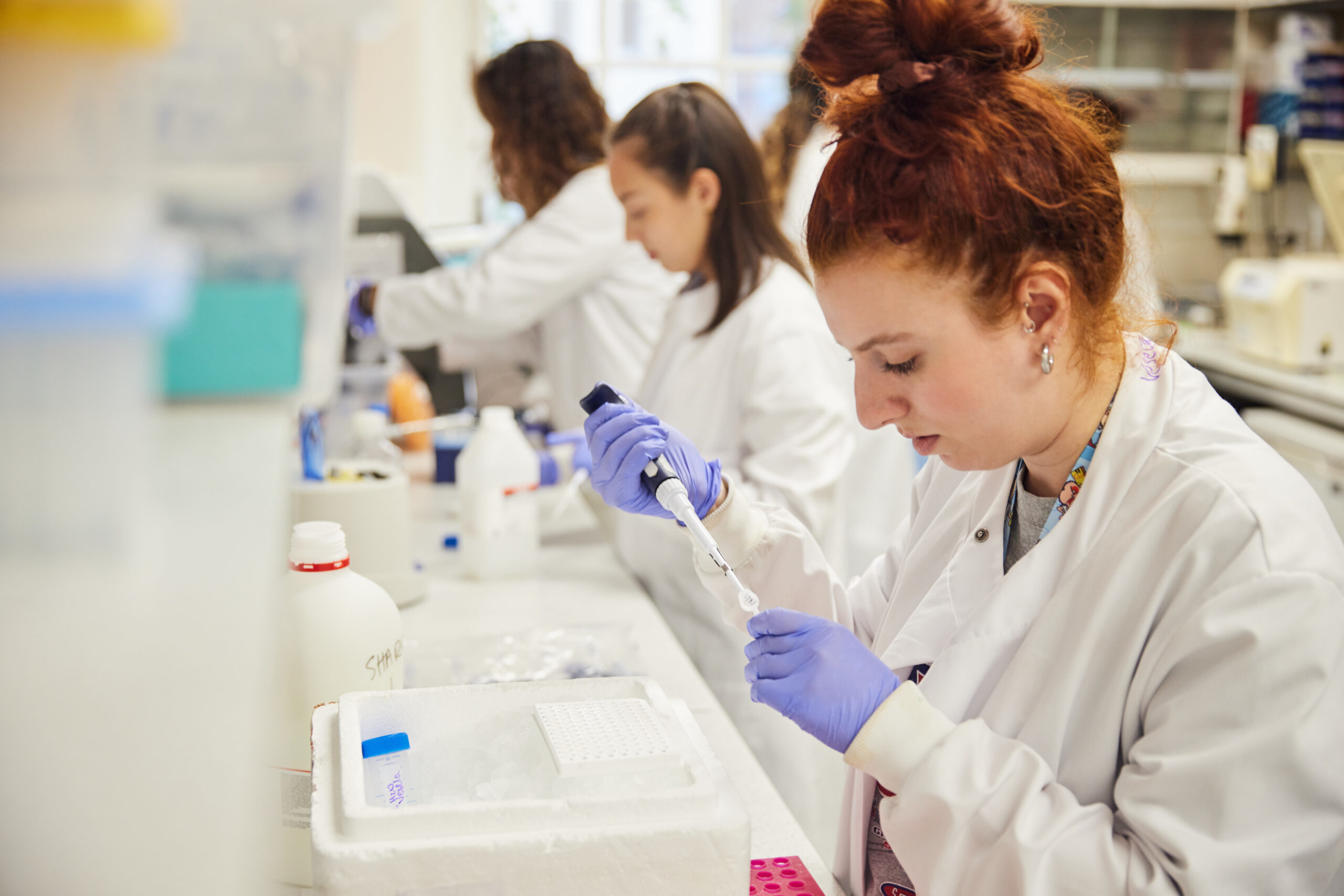
Four research teams across the UK are testing if beta cells produced in the US by the Advanced Regenerative Manufacturing Institute (ARMI) can survive being shipped to the UK and still work properly in research studies.
Beta cells are the cells in the pancreas that make insulin. In people with type 1 diabetes, these cells are destroyed by the immune system. Scientists are now able to grow beta cells from stem cells in the lab. They are using these in scientific studies to develop treatments for people with type 1 diabetes.
One challenge is that making beta cells in the lab is complicated and time-consuming. By using AMRI’s pre-made beta cells, researchers would be able to save time and ensure all studies use consistent, high-quality cells. This would help speed up research on beta cell therapies for people with type 1 diabetes.
Each of the four teams will:
Each team will use the approaches that suit their expertise:
Together, these tests will show how well the shipped beta cells survive and work.
Right now, growing enough beta cells for research is slow and expensive. If the shipped cells are shown to survive the journey successfully, UK researchers would have access to ready-to-use, high-quality beta cells more easily. This would speed up research into beta cell therapies, which could one day help people with type 1 diabetes produce their own insulin again.