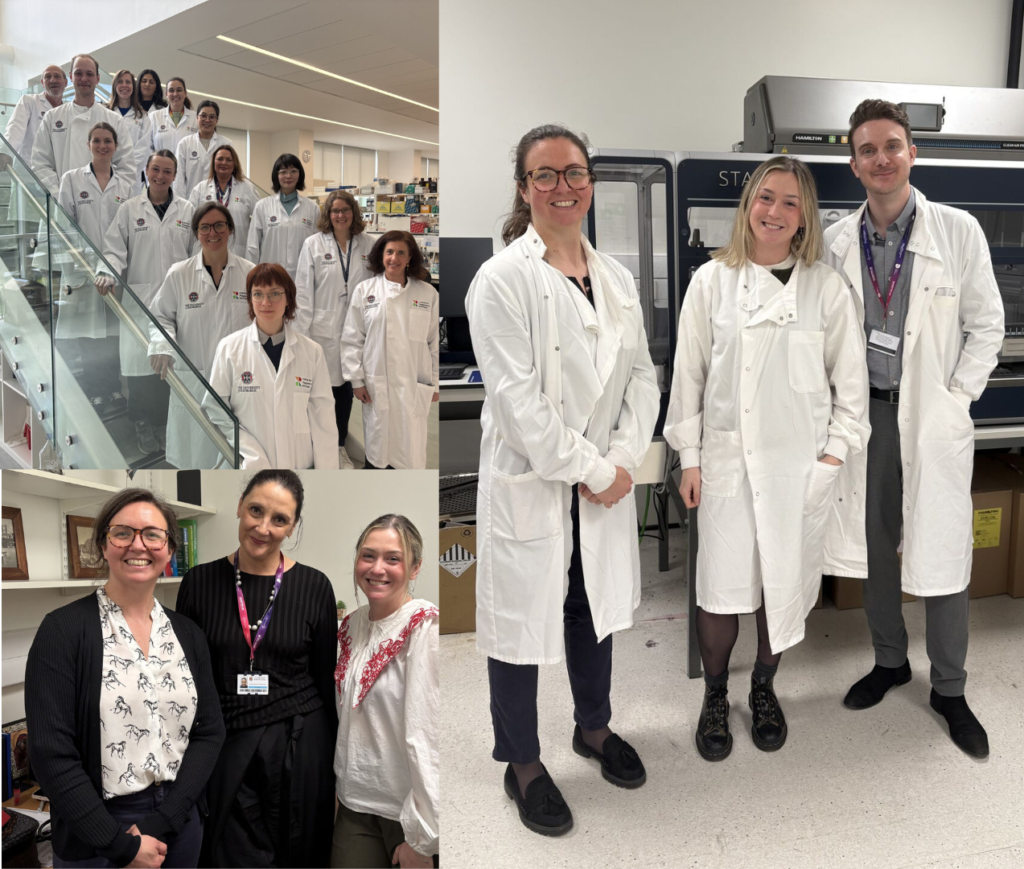
The Type 1 Diabetes Grand Challenge funds research investigating new ways to protect, replace and regenerate the insulin-producing beta cells that are destroyed in type 1 diabetes. These advances have the potential to transform lives, but they can also be challenging to explain, particularly to children. That’s why Professor David Hodson, Ali Shilleh and Daniela Nasteska have created a colouring book to help make this exciting area of research more accessible and engaging.
Patient and public involvement and engagement (PPIE) sits at the heart of the Grand Challenge. People living with and affected by type 1 diabetes bring valuable lived experience that helps shape research and the way it’s shared with the wider community. Through dedicated PPIE funding, Grand Challenge researchers are encouraged to explore new and creative ways of opening up conversations about their work.
In a recent paper exploring creative approaches to public engagement in type 1 diabetes research, Professor David Hodson and colleagues reflect on where that thinking can lead. In this case, it led to an unexpected destination – a colouring book.
While running engagement activities, the team noticed that children were often fascinated by type 1 diabetes research. They were full of questions and eager to learn more. But they also realised there were few resources designed to help younger children understand the condition and the science behind it.
So they decided to create one.
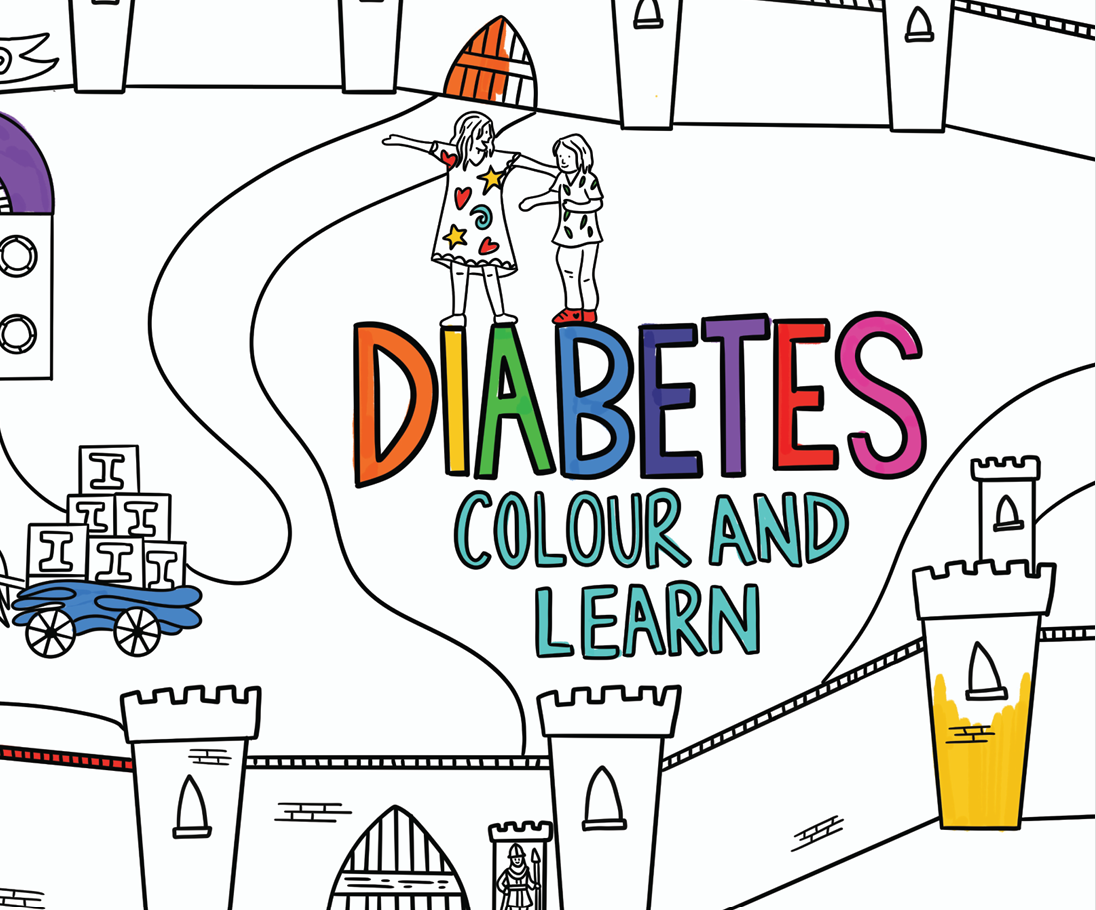
Diabetes Colour and Learn is a free colouring book set in the medieval world of Betatown, where castles, villagers and some very important beta cells help tell the story of what happens in type 1 diabetes. As children colour their way through the book, they can explore what’s happening inside the body and discover the research underway to understand, protect and rebuild beta cells.
For Professor David Hodson and colleagues, Betatown is just one example of how creativity can help bring science to life. As they describe in their paper, finding new ways to engage different audiences can help spark curiosity, build understanding and make research feel a little less distant from the people it hopes to benefit.
You can download your free copy of Diabetes Colour and Learn and take a trip to Betatown yourself, or share it with a young person who might enjoy discovering the science of type 1 diabetes one page at a time.
Oxford_DiabetesColouringV2_Colour_PageNoBooklet 2 (3) (2) (1)