Views
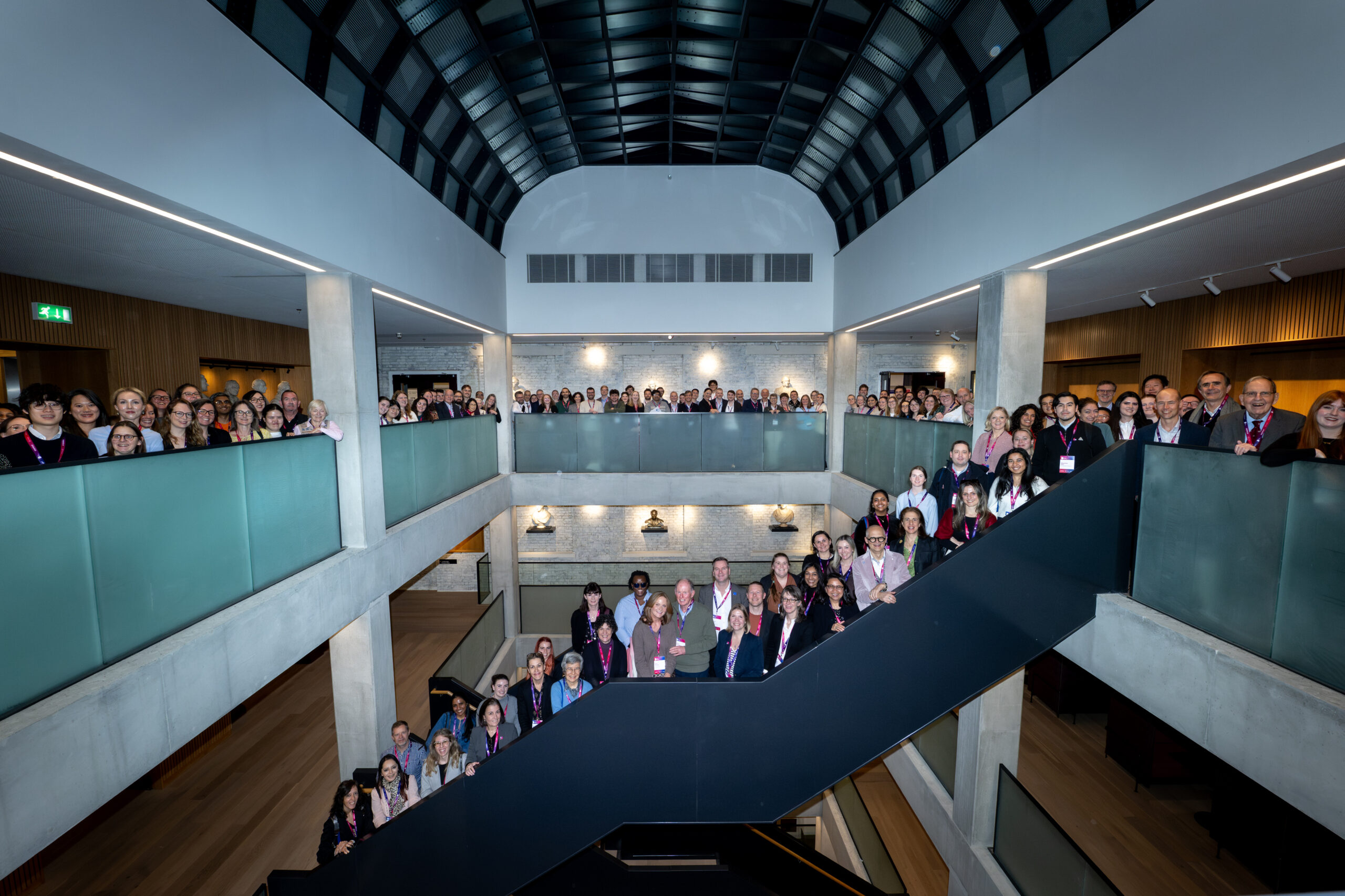
Nearly 200 delegates from nine countries came together for this year’s Type 1 Diabetes Grand Challenge Symposium. A gathering that not only provided updates on the world-leading science funded by the programme but also demonstrated just how much the Type 1 Diabetes Grand Challenge community has grown in just over three years.
If last year’s event was filled with anticipation and ambitious possibility, this year’s was defined by confidence, progress, and palpable momentum. Across every session, the message was clear: The Grand Challenge is delivering impact, and the pace is accelerating.
Turning discovery into impact
We heard about the progress of research exploring new immunotherapy regimens, beta cell replacement and regeneration techniques, and innovative strategies to protect and support transplanted beta cells.
Speakers highlighted how scientific advances made over the past twelve months have shifted the conversation. Where last year’s discussions carried a tone of speculation, this year was marked by tangible achievement: new breakthroughs, new collaborations, and critically, the Grand Challenge’s first in-person trials now underway, with more moving toward the clinic.
Dr Elizabeth Robertson, Director of Research at Diabetes UK, captured this sense of progress:
“It’s an incredibly exciting time for beta cell therapy and immunotherapy research, as we work toward replacing lost beta cells and protecting them from immune destruction in people with type 1 diabetes. To move closer to real-world treatments, we’re partnering not only with world-class researchers but also with experts in translational medicine – the people who can speed up the journey from lab discovery to clinical reality. These are complex scientific challenges and solving them will require the very best minds working together, collaborating openly, and sharing both successes and setbacks. You never know which discovery will become the critical piece of the puzzle that opens the door to new type 1 treatments.”
A community working differently together
The Grand Challenge was founded on the belief that collaboration is essential to accelerating progress. At this year’s symposium, that belief was made real.
Every talk, panel, and poster demonstrated how teams across disciplines, continents, and career stages are working as a unified community, from immunologists and bioengineers to data scientists and experts in clinical translation.
Seeing those collaborations in person brought the programme’s design to life. As Liam Eaglestone, CEO of the Steve Morgan Foundation, noted:
“We’ve created a community that is making a difference. What was a risky hope three and a half years ago is starting to deliver. This will only happen if we bring all the different partnerships and expertise together to achieve something remarkable.”
Steve Bates, Trustee at Breakthrough T1D, echoed this sentiment:
“The Grand Challenge is a unique partnership between the Steve Morgan Foundation, Breakthrough T1D and Diabetes UK. We’re especially grateful for all the time that so many leading type 1 investigators, clinicians and experts by experience are giving to help us drive progress. Bringing together groups under a common goal is key to driving real change fast. I know the Grand Challenge will help drive research all the way through to commercialisation, delivering new therapies and cures for people with type 1.”
Putting lived experience at the centre
Another theme running through the symposium was the prominent role of experts by experience in every aspect of Grand Challenge-funded research – from shaping research priorities and contributing to funding decisions, to supporting the design, delivery and dissemination of research projects.
Every speaker, from early-career researchers to senior investigators, acknowledged how lived experience is shaping their research. Delegates heard directly from adults living with type 1, parents of children with the condition and members of the Grand Challenge’s public and patient involvement (PPI) groups.
Their insights are not an ‘add-on’ to the science: they are fundamental to it, helping researchers think deeply about the issues they are trying to solve and putting people affected by type 1 at the heart of every decision.
Looking ahead
With multiple research studies now progressing and a research community more connected than ever, the Grand Challenge is entering an exciting new phase.
What began as a bold, high-risk, high-reward vision is becoming a programme set to deliver real-world impact. It’s driven by collaboration, guided by lived experience, and fuelled by scientific excellence.
And if the energy in the room at this year’s symposium was anything to go by, the pace of progress is only set to increase.
News, Views
News, Views
News, Views