News
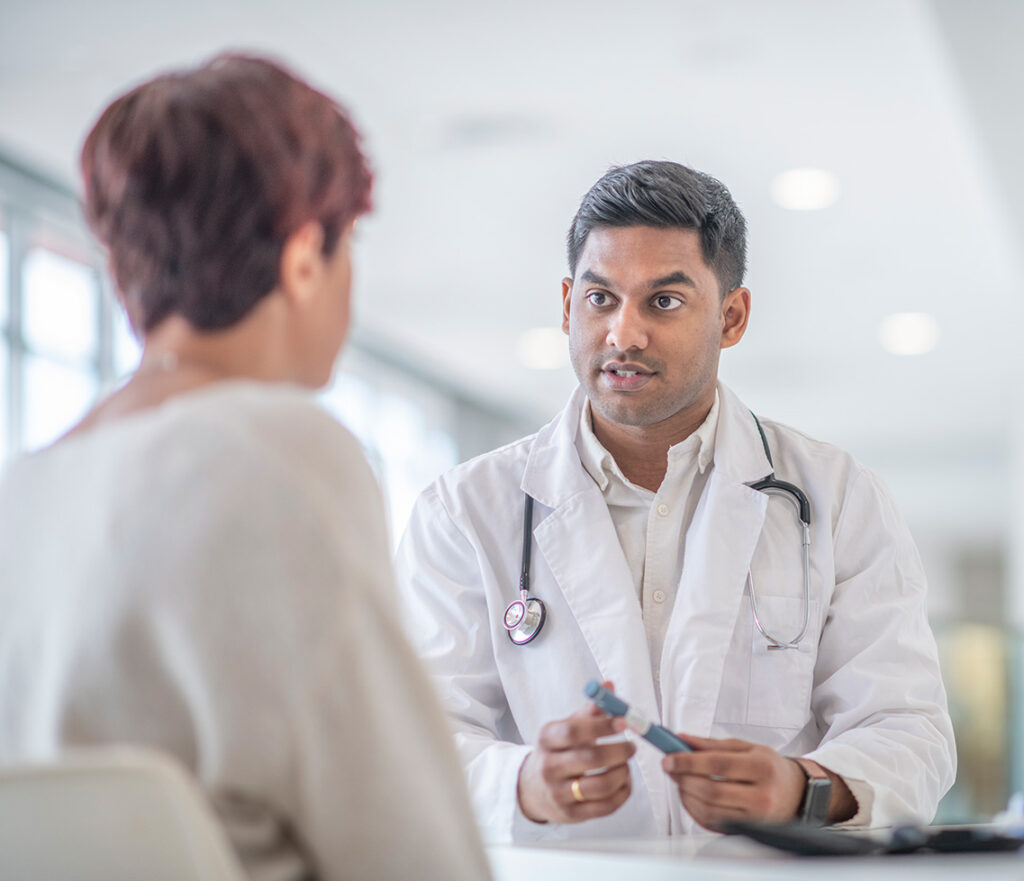
Beta cell replacement therapies are one of the most promising routes towards improving, and potentially one day curing, type 1 diabetes – but helping transplanted cells survive in their new environment remains a major hurdle.
Scientists are exploring whether supportive materials could help transplanted cells cope better in the body. Before they can be tested with living cells, researchers need to understand how these materials behave and how reliably they can be controlled.
A recent publication from Type 1 Diabetes Grand Challenge‑funded researchers adds to this work by examining the behaviour of simple, gel‑like materials. By showing how these materials can be reliably combined with tiny carrier particles, the study provides early, materials‑level evidence – paving the way towards transformative treatments that restore insulin production.
Helping beta cells thrive
One challenge the Type 1 Diabetes Grand Challenge community is working to overcome is how to protect transplanted beta cells, so they survive and function for the long term.
Once inside the body, newly transplanted beta cells face immune attack, inflammation, and the loss of the supportive signals they need to function properly. Without protection, over time many lose their ability to produce enough insulin to maintain stable blood sugar levels. This means that promising therapies remain limited in how long the benefits last.
From developing protective delivery devices to improving the post-transplant environment, Grand Challenge teams are working to increase both the success and longevity of beta cell therapies.
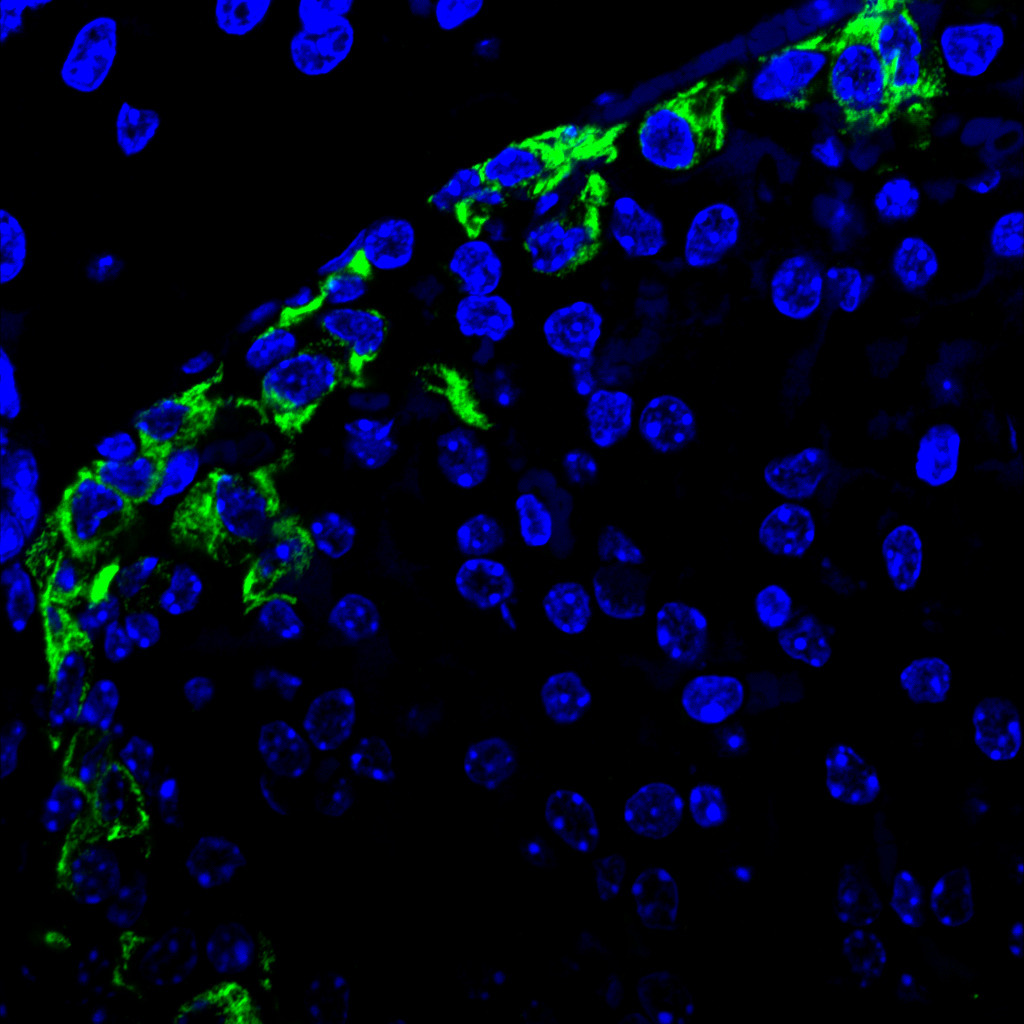
One project, led by Professor Francesca Spagnoli and Dr Rocio Sancho at King’s College London and Professor Molly Stevens at the University of Oxford, focuses on helping lab‑grown stem cell-derived beta cells settle more comfortably into the body after transplant.
This involves both strengthening the cells themselves and improving the conditions around them, including the use of biomaterials – specially designed materials that can safely interact with the body.
How biomaterials could help transplanted cells survive
One example is the use of soft, protective, gel‑like materials known as hydrogels, which can provide a stable and protective space for beta cells from the moment they are transplanted – shielding them from harm.
By shaping the conditions cells experience from the outset, this approach aims to make beta cell replacement therapies safer, more reliable, and longer‑lasting.
New findings
A recent study co‑authored by Professor Molly Stevens offers further insight into the gel‑based materials used within her Grand Challenge research. The study focuses on how the building blocks of these gel materials can be put together reliably, and shows that the finished materials behave in consistent ways.
The researchers also looked at how tiny particles can be added to these gels, and how light can be used to influence what they do. Together, this work helps show how flexible these materials are and how they could be developed further.
This provides important early evidence that the materials work as expected, helping to support their continued development within the Grand Challenge programme.
Why early progress matters
It is still early days, but this foundational work is essential to help unlock the potential of beta cell therapies, giving researchers the evidence they need to plan further studies testing the materials with beta cell and inside the body.
This is exactly the kind of forward‑looking research the Type 1 Diabetes Grand Challenge is designed to support.
News, Views
News, News
News, News