
News
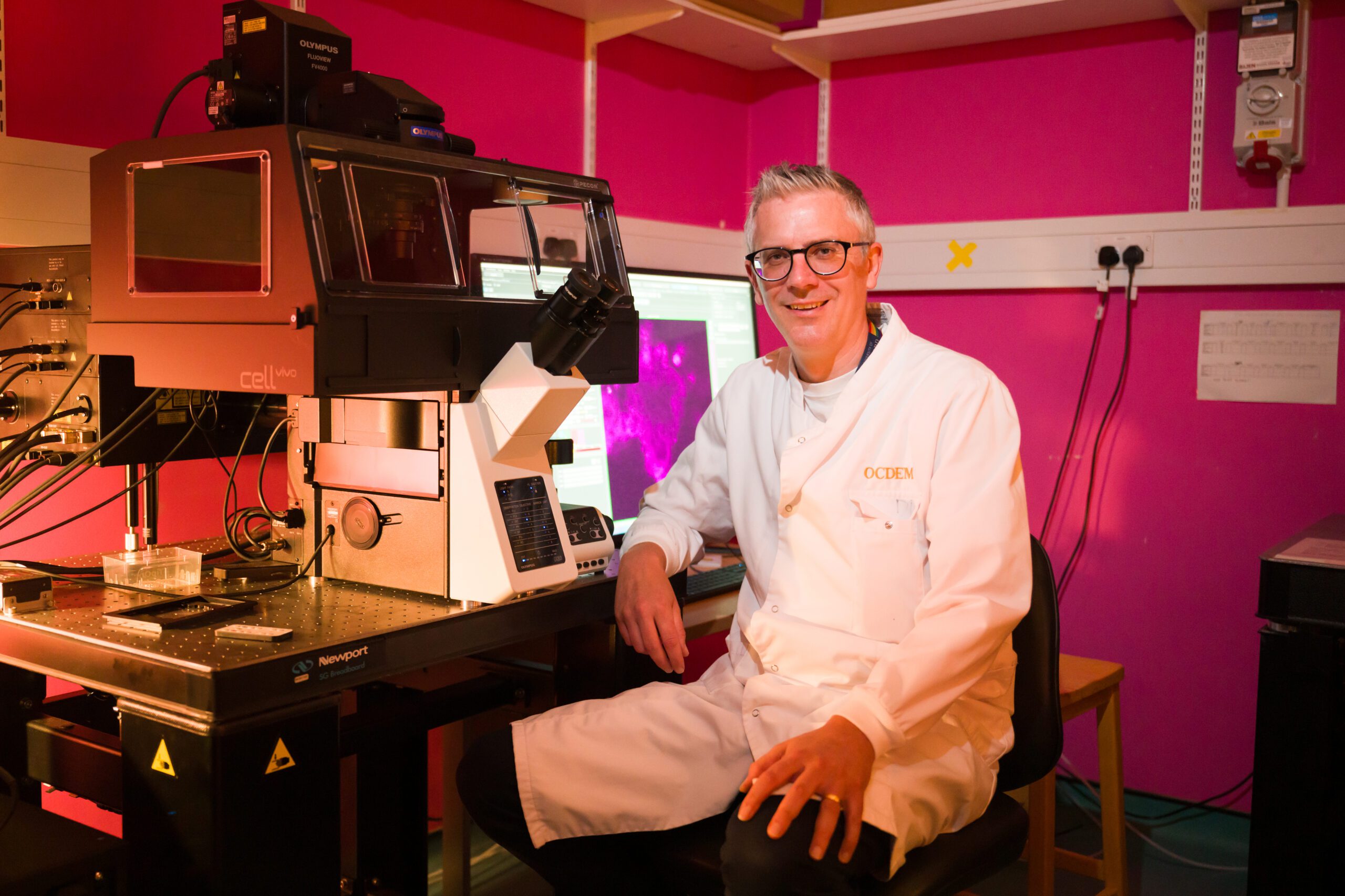
Four expert research teams across the UK have been awarded over £600,000 in new funding to help establish a reliable supply of stem cell-derived beta cells for research purposes, and speed up progress into beta cell therapies aimed at curing type 1 diabetes.
Earlier this year, we announced our partnership with the Advanced Regenerative Manufacturing Institute (ARMI), the US leading organisation in regenerative medicine technologies, manufacturing cells, tissues and organs. Our partnership aims to tackle the limited availability of stem cell-derived beta cells for research.
This new funding will allow researchers at the University of Edinburgh, King’s College London, Newcastle University, and the University of Oxford to test whether stem cell-derived beta cells produced by ARMI can withstand shipment from the US to the UK, and still function as expected in both laboratory studies and living systems.
Each of the four teams brings strong expertise in growing lab-made beta cells and assessing their function in the lab (in vitro) and in living models (in vivo). They’ll also have the opportunity to directly compare ARMI’s beta cells with those produced in their own laboratories. This side-by-side testing could provide valuable insights into how to optimise cell production processes and identify the most effective cell lines for future therapeutic use.
If successful, this initiative will help establish a reliable supply of high-quality, ready-to-use stem cell-derived beta cells for UK scientists, saving research teams time and ensuring greater consistency across studies. By enabling more researchers to access these cells, the project aims to accelerate the development of curative treatments for type 1 diabetes.
The Advanced Regenerative Manufacturing Institute said:
“ARMI is honored to partner with the Type 1 Diabetes Grand Challenge to advance beta cell research and accelerate the development of curative therapies. By automating the biomanufacturing of high-quality, standardised, bioengineered islets for use by researchers in the UK, we are enabling innovators to achieve future therapeutic breakthroughs that will matter to people affected by type 1 diabetes around the globe.”
Dr Elizabeth Robertson, Director of Research and Clinical at Diabetes UK, said:
“Through the Type 1 Diabetes Grand Challenge, we’re building partnerships that have the power to transform the pace of research into curative approaches to type 1 diabetes. By working with ARMI, a global leader in regenerative manufacturing, we want to ensure UK scientists have access to a reliable, high-quality source of lab-made beta cells – a vital tool for testing and refining life-changing therapies. This collaboration is an important step towards making beta cell replacement a reality for people with type 1 diabetes, and shows how we’re leveraging global innovation to move closer to a cure.”
Rachel Connor, Director of Research Partnerships at Breakthrough T1D UK, said:
“We are entering an exciting era: lab-grown insulin-producing cells are showing promise in clinical trials for people with T1D and the prospect of cell-based cures for T1D feels within reach. Yet there are still many questions about these important cells, and this collaboration with ARMI, enabled by the Type 1 Diabetes Grand Challenge partnership, will help UK scientists contribute answers that will ultimately transform lives for people who live with T1D.”
News, Views
News, Views
News, Views