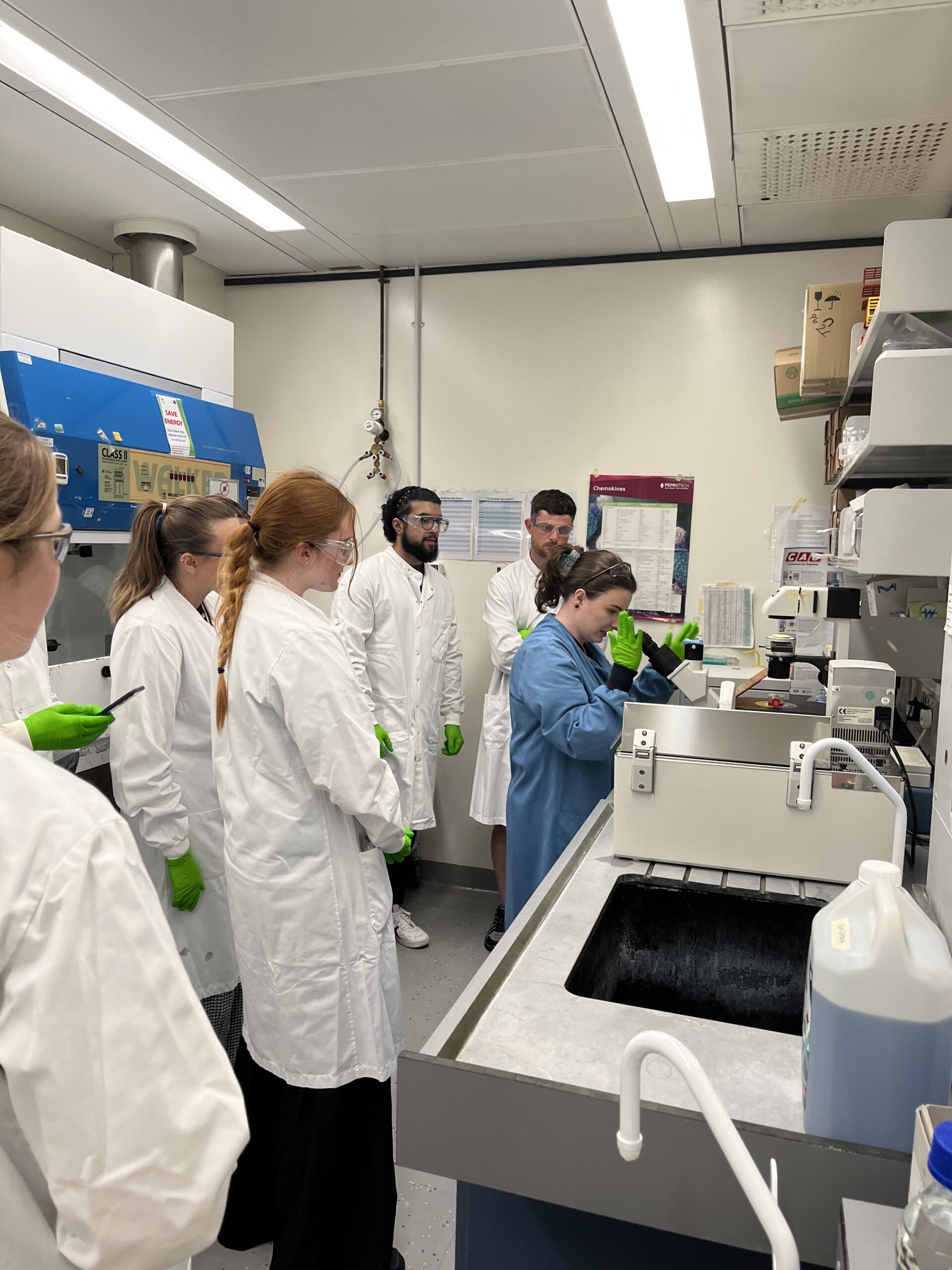
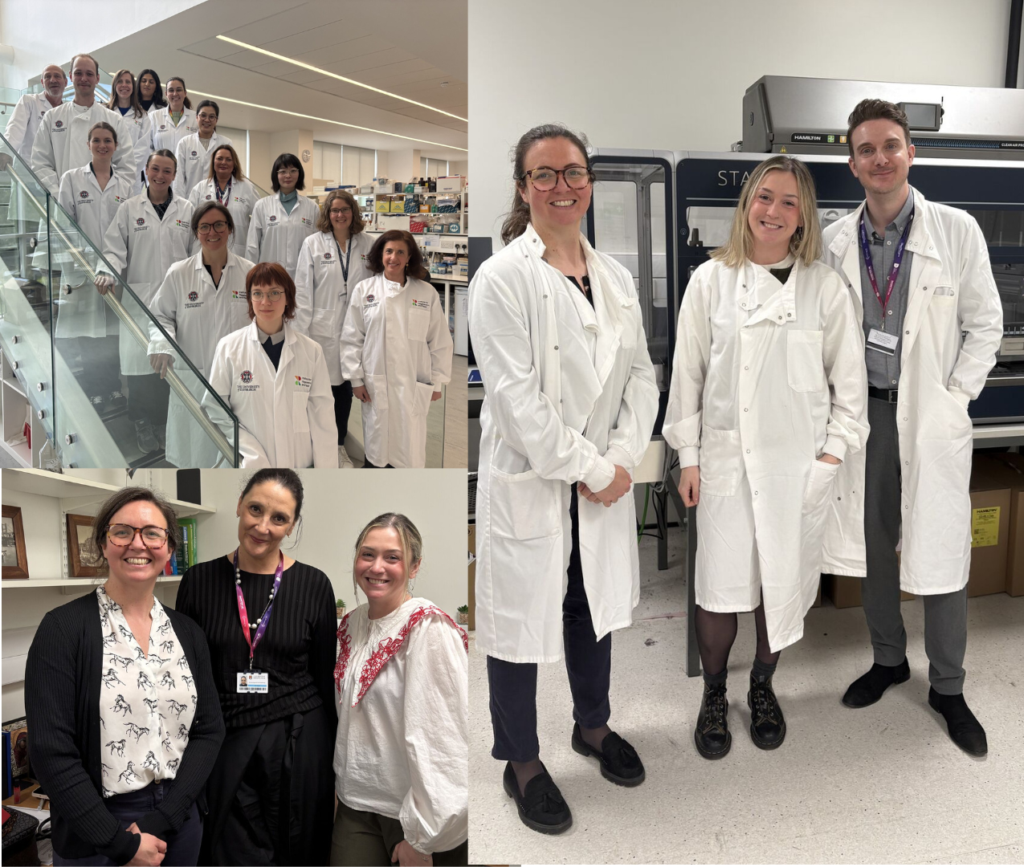
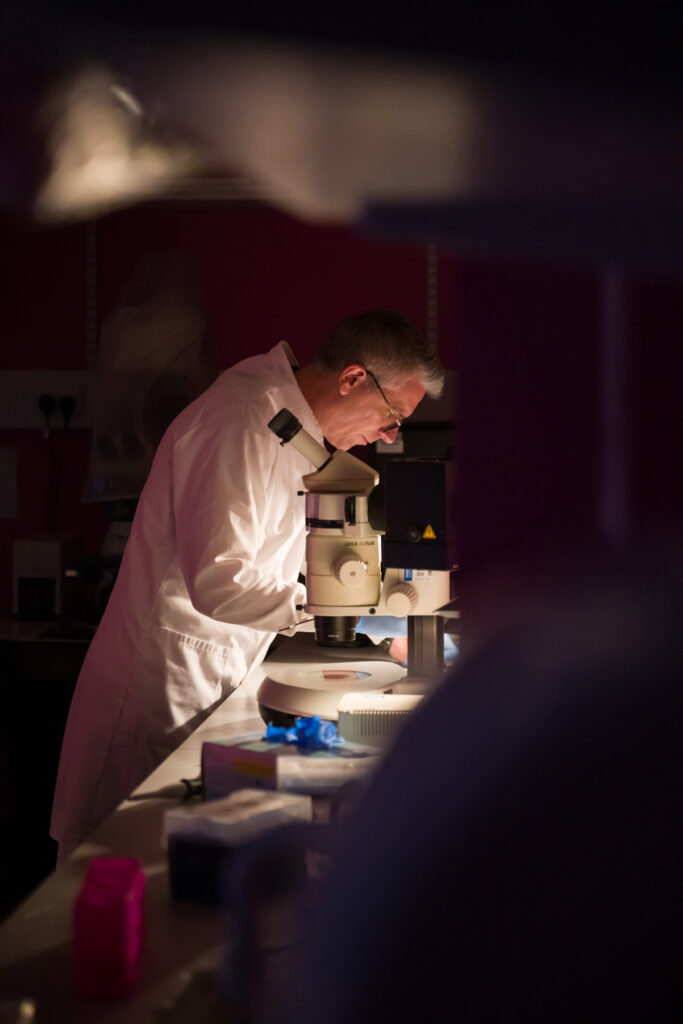
The visit gave Young Leaders a behind-the-scenes look at life in the lab, while also creating space for researchers to hear directly from people living with type 1 diabetes about what matters most to them.
The day kicked off with a session from researchers Megan Payne and Fernando Durães who gave some context to the project and what the team are working on.
For some people with type 1 diabetes, insulin-producing beta cells from donors can be transplanted to replace those destroyed by the immune system. But this requires them to take powerful immunosuppressant drugs to prevent the body attacking these new cells. Even with these drugs, transplants don’t always last. Grand Challenge teams are also working on building new beta cells in the lab for transplant, using stem cells. However, these cells would also be vulnerable to attack and won’t survive long term without protection.
The Oxford team are exploring how proteins found in tick saliva, known as evasins, could help protect transplanted cells by blocking signals that trigger immune attack. These signals, called chemokines, act like beacons that draw immune cells in – and because there are so many of them, they’ve been difficult to target effectively.
Because evasins can block a wide range of these signals, they could offer a new way to shield transplanted cells from attack. The team have already identified the part of the evasin responsible for blocking these immune signals, and are now working to strengthen it and make it last longer in the body. They also hope to explore whether beta cells could eventually produce these protective molecules themselves.
If successful, this could help transplanted cells survive for longer and reduce the need for immunosuppressant drugs.
Alongside this, the Young Leaders heard how projects like this move from the lab to real life and got a chance to visit the lab themselves to see how it all works in action.
They were also given the opportunity to reflect on what matters most to them when it comes to research, from priorities for new treatments to how research can feel more personal and relevant.
One Young Leader said the day helped build trust in research and made it feel more personally relevant, adding that the type 1 diabetes community wants to be inspired by science and have hope for a cure.
Megan reflected:
“It was an absolute delight to spend the day with the Young Leaders. The discussions around what really matters to people with type 1 diabetes were incredibly insightful – and have inspired me to get back into the lab ASAP, despite the heatwave!”