
Home »
News
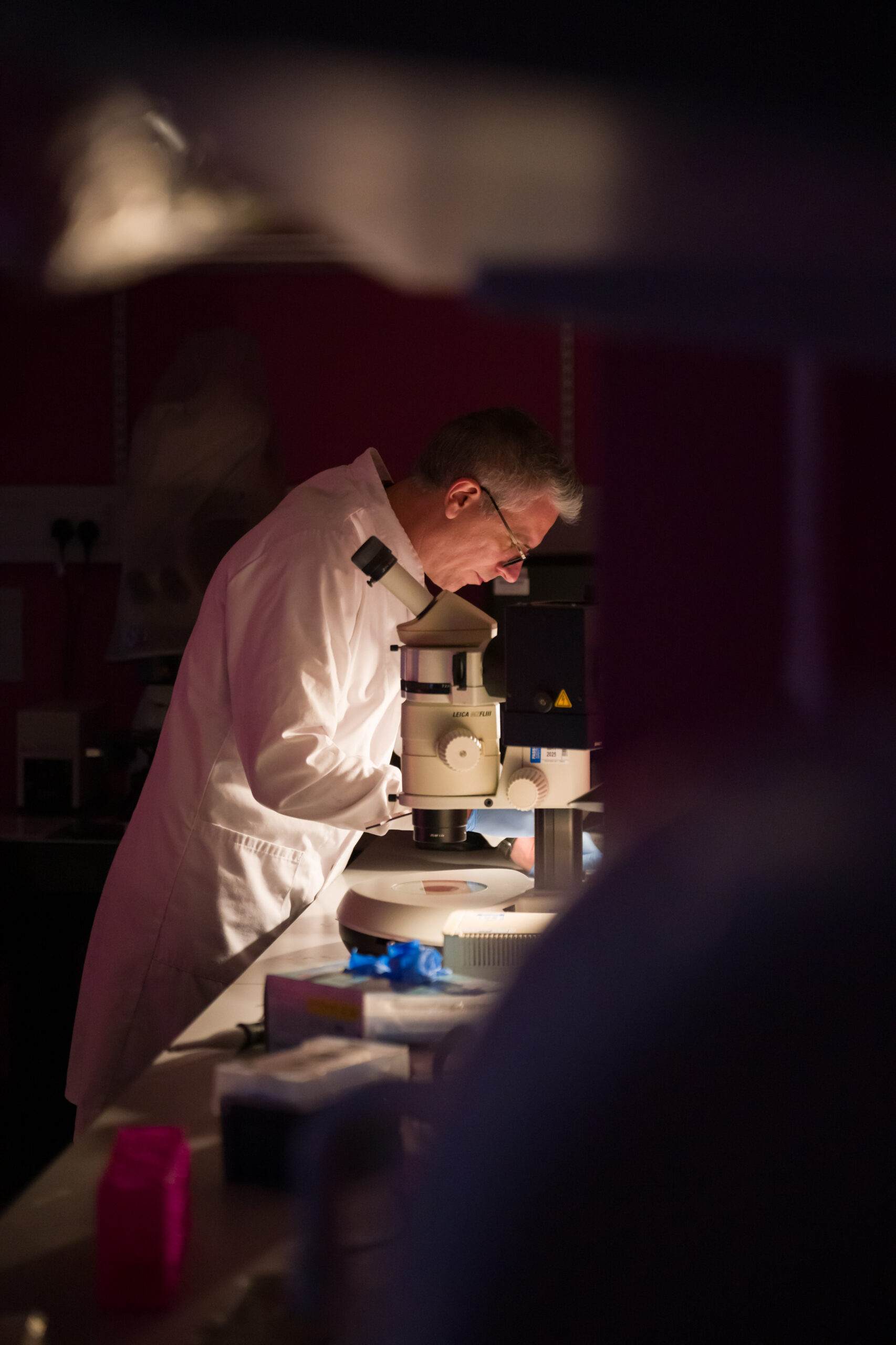
At the Type 1 Diabetes Grand Challenge, we support cutting-edge research aimed at bringing us closer to better treatments and, potentially, a cure. One of the most promising routes towards a cure is restoring the body’s ability to produce insulin through beta cell therapies. The researchers we fund are helping make this vision a reality, from uncovering why beta cells are lost to developing better ways to grow, replace and protect them. Here are some of their latest discoveries.
A new clue to what happens inside the pancreas in type 1 diabetes
Type 1 diabetes develops when the immune system destroys insulin-producing beta cells in the pancreas. But beta cells do not work alone. Other cells in the pancreas, including alpha cells, help keep glucose levels within a healthy range. Alpha cells produce glucagon, a hormone that raises blood glucose when levels fall too low. Researchers are increasingly interested in understanding how these different cell types change in type 1 diabetes and whether those changes could point to new opportunities for treatment.
Grand Challenge researcher Professor David Hodson and a UK-wide team have now discovered that a protein called eNAMPT may play a role in these changes. Previous studies have shown that elevated levels of eNAMPT can impair the function of beta cells. But until now, researchers did not know whether it could also affect the balance of different cell types within the pancreas.
Using cell samples from mice and human pancreases, the team found that higher levels of eNAMPT reduced the number of beta cells while increasing the number of alpha cells. They also found evidence that some beta cells had started to take on characteristics of alpha cells, suggesting that cells within the pancreas may be changing identity.
The team also found that alpha cells exposed to eNAMPT were less able to release glucagon when blood sugar levels fell, potentially weakening the body’s natural protection against low blood sugar (hypoglycaemia).
These findings suggest that eNAMPT may contribute to both beta cell loss and alpha cell dysfunction in type 1 diabetes. By helping researchers build a clearer picture of what happens inside the pancreas, this work could support efforts to develop treatments that protect insulin producing cells, potentially slowing the progression of type 1 diabetes.
Growing better beta cells for transplantation
One part of a solution to curing type 1 diabetes is to replace the beta cells that have been destroyed by the immune system. Scientists can now grow beta cells in the laboratory from stem cells, and early clinical trials of beta cell replacement therapies are already showing encouraging results. However, lab grown beta cells do not yet perform as well as those found naturally in the pancreas.
Our Grand Challenge researchers are exploring how to grow better beta cell. Researchers often use tiny 3D clusters of cells called organoids. These miniature tissues mimic some of the features of developing organs, allowing scientists to study how cells form and mature. Researchers are increasingly using pancreatic organoids to understand how beta cells develop and identify ways to improve the quality of cells grown in the laboratory.
Using this approach, researchers, including the Grand Challenge’s Dr Rocio Sancho, set out to create the first detailed map of the developing human pancreas. They wanted to learn more about the physical environment surrounding developing cells. They found that the pancreas tissue gradually becomes firmer as it matures and that cells experience different physical environments in different parts of the pancreas.
The team then recreated these conditions using soft gel-like materials called hydrogels. When pancreatic organoids were grown in hydrogels that closely matched the developing pancreas, they were more successful at developing beta cells. Organoids grown in softer or firmer environments were less successful.
These findings provide important clues about how to produce lab grown beta cells that more closely resemble those found naturally in the pancreas. By helping researchers better understand the conditions that support beta cell development, this work could help move us closer to a new era in type 1 diabetes, where people can make their own insulin again.
Giving transplanted islets a helping hand
Islet transplants, where pancreas cells from donors are transplanted into people with type 1 diabetes, already exist and are used to help some people who experience severe hypos. They have the potential to be life-changing, but currently this treatment is far from a cure. There is a shortage of donor cells available, and many of the transplanted cells become damaged during the isolation and transplantation process, reducing the number that survive and continue producing insulin.
Researchers from across London, including Grand Challenge researchers Professor Aileen King and Professor Shanta Persaud, have been investigating ways to give these cells the best possible chance of success.
The team turned their attention to mesenchymal stromal cells (MSCs), sometimes described as the body’s cellular handymen because they help support and repair other cells. Rather than using the MSCs themselves, the researchers focused on tiny messengers released by these cells, which carry proteins and genetic instructions between cells.
They found that when donor islets from mice were treated with these messengers, they released more insulin and were better protected from inflammatory damage. The treatment also helped more cells stay alive and improved their ability to produce the energy needed to function properly.
These findings suggest that MSC-derived messengers could one day provide a simpler way to strengthen donor islets before transplantation. More research is needed to understand whether these benefits translate into better transplant outcomes, but this work offers a promising new approach to helping transplanted insulin-producing cells survive and function for longer, moving us that one step closer to a cure.
News, News
News, News
News, Views
News
From vision to reality, the UK’s Type 1 Diabetes Cell Therapy Clinical Trials Network takes shape
July 28, 2026
Last year, the Type 1 Diabetes Grand Challenge announced plans to establish a UK-wide Type 1 Diabetes Cell Therapy Clinical Trials Network (CTN) in partnership with the National Institute for Health and Care Research (NIHR).
These plans are now taking a major step forward, with a flagship £2 million funding opportunity set to help bring the CTN to life.
Supported by a generous donation from the Steve Morgan Foundation and underpinned by NIHR research infrastructure, the CTN is being developed to ensure that people living with type 1 diabetes in the UK gain access to the latest cutting-edge cell therapies as early as possible.
This comes at a pivotal moment. Around the world, several groundbreaking beta cell therapies are already progressing through clinical trials, with many more in early development, including those funded by the Grand Challenge. The CTN will provide the expertise, infrastructure and national coordination needed to accelerate these therapies into clinical practice and ensure that the UK remains at the forefront of type 1 diabetes care.
Over the past year, extensive work has been undertaken to determine the shape of the CTN. A senior NIHR expert embedded within the Grand Challenge team has been leading this work in partnership with experts from across the sector. This has included an independent Task and Finish Group, chaired by Professor Simon Heller, who also chairs the Grand Challenge’s Scientific Advisory Panels, which has brought together clinical, academic, implementation and lived-experience expertise to help guide the CTN’s development. This collaborative process has ensured that the needs of people affected by type 1 diabetes remain central to the CTN, while strengthening the UK’s position as a leading ecosystem for type 1 diabetes cell therapy research.
The CTN is now moving from development to set-up at pace. To support this next phase, a new T1DGC funding opportunity will launch on 1 September 2026. Up to £2 million over three years will be available to establish the infrastructure to strengthen the UK’s position as a global leader in emerging beta cell therapies and accelerate the path to a cure.
The award will fund a central CTN Coordinating Centre (CTN-CC) and a network of accredited Lead Delivery Sites to deliver innovative type 1 diabetes clinical trials.
A CTN Clinical Director will provide national leadership, work closely with NIHR UK research infrastructure, and spearhead the dedicated national focus for type 1 diabetes beta cell therapies. The CTN-CC will also support workforce and capability development, develop referral pathways to improve equitable access to trials, and deploy flexible investment to address emerging needs. It will also provide trial sponsors with access to clinical and academic expertise, supporting feasibility assessment, protocol development, site selection, trial delivery, and involvement of the type 1 diabetes community.
Together, these steps will create a scalable national platform capable of accelerating access to innovative cell therapies and turning pioneering science into real-world impact for people living with type 1 diabetes.
Jessica Goddard, Head of the UK Type 1 Diabetes Cell Therapy Clinical Trial Network, at Diabetes UK said:
“The UK is well positioned to become a global leader in delivering clinical trials for type 1 diabetes cell therapies, supported by a unique combination of scientific excellence, advanced clinical research infrastructure, progressive regulatory reform, and coordinated national investment. This flagship infrastructure investment will create a nationally coordinated and internationally connected platform to accelerate the development and delivery of type 1 diabetes beta cell therapy trials, and enable more people living with the condition to access innovative treatments”.
Rachel Connor, Director of Research Partnerships at Breakthrough T1D UK, said:
“For people living with type 1 diabetes, the progress we’re seeing in cell therapy research offers real hope for the future. The ultimate test for any approach to delivering cures for people with T1D comes in clinical trials, when we can see how new therapies work for individuals who live with T1D. It’s exciting that many research programmes are reaching this stage, bringing therapies that could potentially free people from the relentless burden of managing this condition closer to reality. So it’s vital that people with type 1 diabetes who want to be part in testing these therapies have the opportunity to test these innovations as quickly as possible.
“The Type 1 Diabetes Grand Challenge Clinical Trials Network will harness the robust power of NIHR together with the promise of the Type 1 Diabetes Grand Challenge to accelerate the journey from the lab to life-changing impact.”
Full application guidance and details on how to apply will be available here from September 1st 2026. Potential applicants are welcome to contact the T1DGC Research Funding Team with any questions once the call is live.
News, News
News, News
News, Views
News
Momentum builds for the Type 1 Diabetes Grand Challenge at DUKPC
The Type 1 Diabetes Grand Challenge community came together at the Diabetes UK Professional Conference (DUKPC) to share progress and celebrate the work driving the programme forward. From updates on funded research to meaningful discussions about involvement and impact, DUKPC offered a snapshot of how the Grand Challenge is progressing.
May 8, 2026
A shared vision
This year’s dedicated Grand Challenge session was chaired by Liam Eaglestone, CEO of the Steve Morgan Foundation, alongside Professor Simon Heller, Chair of the Grand Challenge Scientific Advisory Panels.
First up was Professor James Cantley, who shared updates on his ambitious drug discovery work to help the body regenerate insulin‑producing beta cells destroyed by the type 1 diabetes immune attack.
Dr Cantley’s team have created a screening system that can quickly test thousands of drugs already used in people, looking for those that might help kick start beta cells into multiplying. They’ve already found several promising options, including drugs that switch off DYRK1A – a natural ‘brake’ on beta‑cell division. The most promising drugs are now being tested in mice to see if they can increase insulin production and help control blood sugar levels.
Building better scaffolds for beta cell replacement
Professor Vicky Salem was next, sharing her team’s approach to using biomaterials to protect beta cells from the immune attack in type 1 diabetes. Her group is developing a water‑based, jelly coating known as a hydrogel. This is designed to envelop transplanted lab‑grown beta cells, helping to hide them from immune attack. As well as acting as a protective shield, the hydrogel also helps the cells to connect to a blood supply, giving them the best possible chance to survive and thrive.
Professor Salem explained how the team has refined their approach. Earlier, thicker coatings helped shield beta cells but could affect how well they functioned. The team therefore went on to develop much thinner protective layers around the cells – termed nano-encapsulation. This ultra-thin coating still offers immune protection, while allowing oxygen and insulin to flow freely keeping the cells healthy. The team is now testing the benefit of including an additional layer of proteins into their coating as another way to protect the cells from the immune attack.
The long‑term goal is to develop a beta cell therapy that could be delivered via a simple injection, rather than surgery. The team is also using lab-based models to better understand how these protected cells behave once they are placed in the body.
Reflecting on the translational nature of the work, Professor Salem said:
“We’re behaving like a biotech – iterative, trial and error. There’s a lot of hope, but also a lot of fails.”
Why the small things matter in type 1 diabetes
Dr Teifion Luckett, a postdoctoral researcher presenting on behalf of Professor Sarah Richardson, shared insights into why type 1 diabetes often progresses more aggressively in young children.
By studying rare human pancreas samples across different ages and stages of type 1 diabetes, the team identified clear differences between people with and without the condition. In early childhood, people without type 1 diabetes have many small clusters of beta cells, which normally grow and mature over time, with the most rapid development occurring in the first few years of life. In contrast, in people living with type 1 diabetes, these small clusters are almost completely absent – having been destroyed by the immune system early on. While some people living with type 1 diabetes retain a small number of larger clusters, this is not typically the case for those diagnosed in early childhood.
This early loss appears to be particularly important. The smallest clusters, once thought to be insignificant, are especially vulnerable to immune attack. Their rapid destruction prevents them from developing into larger, more resilient clusters, leaving very few insulin‑producing beta cells later in life. This helps explain why children diagnosed with type 1 diabetes at a young age often cannot produce any of their own insulin, making the condition harder to manage.
A smarter approach to insulin
The final update from the Grand Challenge session came from Professor Michael Weiss. He shared early but promising progress on a new type of ‘smart’ insulin that could help reduce the risk of dangerous low blood sugar in people with type 1 diabetes.
Low blood sugar is one of the biggest challenges of insulin treatment, as it can be dangerous and stressful to manage.
The research, published in 2025, focuses on a new type of insulin designed to respond more intelligently to the body’s needs. This new approach combines insulin with glucagon (a hormone that raises blood sugar) in a single, linked molecule. When blood sugar is too high, the insulin works as normal to bring it down. But when levels start to drop, the glucagon part of the molecule signals the body to release stored sugar, helping to prevent blood sugar from going too low.
His research has shown promising results in animal models, where both parts of the molecule worked as intended.
Early‑career researchers driving the future
The Early Career Awards session featured work from Grand Challenge researchers funded through the Beta Cell Therapy Programme Grant led by Professor Shanta Persaud and Professor Aileen King.
Dr Lydia Daniels Gatward received the Diabetes UK Early Career Investigator Award for her work on improving how well transplanted islets survive and function. Her research looks at how supportive biological ‘scaffolds’, together with mesenchymal stromal cells (MSCs – sometimes described as the body’s cellular handymen), can help islets release insulin more effectively and better cope with the stresses of transplantation.
Rosie Sullivan presented her PhD research investigating how helpful substances released by MSCs can improve the performance of lab‑grown beta cells once transplanted. Together, these projects showcase early career researchers as integral members of the Grand Challenge community, already making meaningful contributions while building careers as the future leaders of diabetes research.
Young Leaders in conversation
We were delighted to be joined by Young Leaders from Diabetes UK’s Together Type 1 programme, also funded by the Steve Morgan Foundation.
At DUKPC, Grand Challenge researchers and Young Leaders came together to explore how lived experience can help shape research. In one discussion, Young Leader Kamala asked Professor Craig Beall, a Grand Challenge‑funded researcher, what lived experience means to him and how it influences his work. Their exchange highlighted how insights from people living with type 1 diabetes help guide research priorities and impact across the Grand Challenge.
Reflecting on the conversation, Kamala said:
“It was really meaningful to hear directly from the people behind the research and to see just how much work, care and collaboration goes into the science.”
Looking ahead
At DUKPC we were delighted to learn that the Type 1 Diabetes Grand Challenge has been named a finalist for the Steve Morgan Foundation’s Long‑Term Impact Award. This recognition reflects the strength of the programme, bringing together cutting‑edge science, translational ambition and meaningful involvement of the type 1 community. The conference was a powerful reminder of why this work matters: its potential to transform how people with type 1 diabetes manage their condition, and the hope it brings for a cure.
News, News
News, News
News, Views
News
How new materials research is helping beta cell therapies move forward
April 27, 2026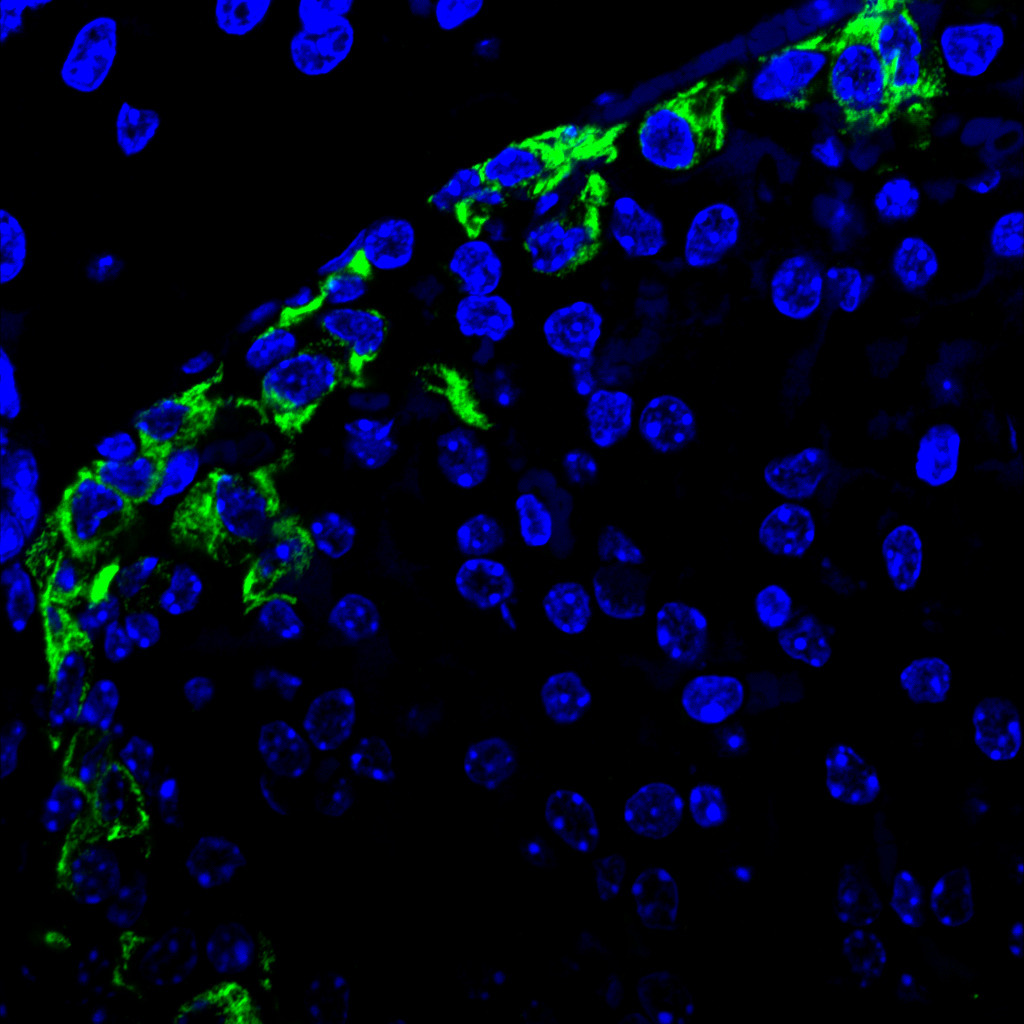
Beta cell replacement therapies are one of the most promising routes towards improving, and potentially one day curing, type 1 diabetes – but helping transplanted cells survive in their new environment remains a major hurdle.
Scientists are exploring whether supportive materials could help transplanted cells cope better in the body. Before they can be tested with living cells, researchers need to understand how these materials behave and how reliably they can be controlled.
A recent publication from Type 1 Diabetes Grand Challenge‑funded researchers adds to this work by examining the behaviour of simple, gel‑like materials. By showing how these materials can be reliably combined with tiny carrier particles, the study provides early, materials‑level evidence – paving the way towards transformative treatments that restore insulin production.
Helping beta cells thrive
One challenge the Type 1 Diabetes Grand Challenge community is working to overcome is how to protect transplanted beta cells, so they survive and function for the long term.
Once inside the body, newly transplanted beta cells face immune attack, inflammation, and the loss of the supportive signals they need to function properly. Without protection, over time many lose their ability to produce enough insulin to maintain stable blood sugar levels. This means that promising therapies remain limited in how long the benefits last.
From developing protective delivery devices to improving the post-transplant environment, Grand Challenge teams are working to increase both the success and longevity of beta cell therapies.
One project, led by Professor Francesca Spagnoli and Dr Rocio Sancho at King’s College London and Professor Molly Stevens at the University of Oxford, focuses on helping lab‑grown stem cell-derived beta cells settle more comfortably into the body after transplant.
This involves both strengthening the cells themselves and improving the conditions around them, including the use of biomaterials – specially designed materials that can safely interact with the body.
How biomaterials could help transplanted cells survive
One example is the use of soft, protective, gel‑like materials known as hydrogels, which can provide a stable and protective space for beta cells from the moment they are transplanted – shielding them from harm.
By shaping the conditions cells experience from the outset, this approach aims to make beta cell replacement therapies safer, more reliable, and longer‑lasting.
New findings
A recent study co‑authored by Professor Molly Stevens offers further insight into the gel‑based materials used within her Grand Challenge research. The study focuses on how the building blocks of these gel materials can be put together reliably, and shows that the finished materials behave in consistent ways.
The researchers also looked at how tiny particles can be added to these gels, and how light can be used to influence what they do. Together, this work helps show how flexible these materials are and how they could be developed further.
This provides important early evidence that the materials work as expected, helping to support their continued development within the Grand Challenge programme.
Why early progress matters
It is still early days, but this foundational work is essential to help unlock the potential of beta cell therapies, giving researchers the evidence they need to plan further studies testing the materials with beta cell and inside the body.
This is exactly the kind of forward‑looking research the Type 1 Diabetes Grand Challenge is designed to support.
News, News
News, News
News, Views
Views
The future of beta cell therapies according to the experts
March 17, 2026
We make faster progress when we look old problems through fresh lenses. Beta cell therapy is one of the most promising routes toward improving, and one day potentially curing type 1 diabetes. But today, only a small number of people can access existing treatments. At the same time, scientific advances are moving quickly.
In a new Type 1 Diabetes Grand Challenge-funded perspective, Professor Shareen Forbes brings together leading UK experts to examine the current challenges and how the field could evolve to transform the future of type 1 treatment.
Why today’s beta cell therapies reach so few
Islet transplants – an existing form of beta cell replacement therapy – have been available in the UK since 2008.
These involve transplanting clusters of cells, called islets, from a donor pancreas into the liver of someone with type 1 diabetes. They are offered only to a small group of adults who have hypo unawareness and experience severe hypos, or some undergoing kidney transplantation.
Islet transplants can restore a person’s own insulin production often for several years. However, donor islets are limited, their quality varies, and people often need more than one transplant as the benefits fade over time.
Another major barrier is the use of strong medications known as immunosuppressants. These medicines are needed to stop the immune system from attacking the transplanted cells, but they increase infection risk whilst also putting strain on the kidneys. This makes them unsuitable for children and many adults with other health conditions.
Together, these pressures mean today’s beta cell therapies reach only a small fraction of those who could benefit. Who gets them is limited by how few donor pancreases there are and by the side effects of the drugs needed to protect cells.
What the next generation of beta cell therapies could unlock
In a recent publication, Professor Forbes and the other experts highlight the hopeful solutions being developed to tackle these challenges, particularly the use of stem cells.
Stem cell-derived islets are lab-grown insulin-producing cells. Instead of relying on organ donors, scientists are able to manufacture new beta cells from stem cells. A reliable supply of high‑quality stem cell-derived islets could help move beta cell therapies from being dependent on rare donor organs to becoming far more scalable.
Early clinical trials have already shown encouraging signs. Some participants have been able to come off insulin completely, providing early but meaningful evidence of what may be possible in the future.
Right now, stem cell-derived islets being tested in clinical trials still require powerful immunosuppressing drugs. A clear message from the experts is the need to reduce or remove the need for this, to make sure therapies reach many more people living with type 1 diabetes.
Researchers – including teams funded by the Type 1 Diabetes Grand Challenge are working on three main approaches:
- Gene‑edited stem cells that are less visible to the immune system.
- Encapsulation, which protects cells inside a protective device that allows insulin to leave but keeps immune cells out.
- Local immunomodulation, which delivers immune‑calming signals directly to the transplant site, rather than suppressing the immune system throughout the whole body.
All of these approaches aim to protect transplanted cells while making treatment safer and in turn more accessible.
Preparing for what’s coming
With Type 1 Diabetes Grand Challenge researchers and others driving rapid progress, the experts looked at what would be needed once beta cell therapies are no longer limited by the scarcity of organ donors or immunosuppression.
Greater access would bring up new responsibilities. Health services would need to plan for scheduled ‘top‑up’ treatments, as transplanted cells may naturally lose function over time. It will also be important to ensure that expanding access does not unintentionally create new inequalities.
Why this perspective matters
Professor Forbes’ work captures a field that is rapidly evolving. Her analysis connects the realities of today’s system with the innovations that could define the next decade. This is exactly where the Type 1 Diabetes Grand Challenge is focused. We are investing in the science needed to move beta cell therapy into a new era. This includes improving how cells are grown, developing safer ways to protect transplanted cells, testing new delivery sites, and exploring approaches that could eventually help the body rebuild its own beta cells.
This perspective also shows that the Grand Challenge community is not just shaping the science but also leading the thinking on how the next generation of beta cell therapies could be delivered widely and equitably – to help many more people make their own insulin again.
News, News
News, News
News, Views
News
Four UK teams awarded funding to advance beta cell therapy research
December 19, 2025
Four expert research teams across the UK have been awarded over £600,000 in new funding to help establish a reliable supply of stem cell-derived beta cells for research purposes, and speed up progress into beta cell therapies aimed at curing type 1 diabetes.
Earlier this year, we announced our partnership with the Advanced Regenerative Manufacturing Institute (ARMI), the US leading organisation in regenerative medicine technologies, manufacturing cells, tissues and organs. Our partnership aims to tackle the limited availability of stem cell-derived beta cells for research.
This new funding will allow researchers at the University of Edinburgh, King’s College London, Newcastle University, and the University of Oxford to test whether stem cell-derived beta cells produced by ARMI can withstand shipment from the US to the UK, and still function as expected in both laboratory studies and living systems.
Each of the four teams brings strong expertise in growing lab-made beta cells and assessing their function in the lab (in vitro) and in living models (in vivo). They’ll also have the opportunity to directly compare ARMI’s beta cells with those produced in their own laboratories. This side-by-side testing could provide valuable insights into how to optimise cell production processes and identify the most effective cell lines for future therapeutic use.
If successful, this initiative will help establish a reliable supply of high-quality, ready-to-use stem cell-derived beta cells for UK scientists, saving research teams time and ensuring greater consistency across studies. By enabling more researchers to access these cells, the project aims to accelerate the development of curative treatments for type 1 diabetes.
The Advanced Regenerative Manufacturing Institute said:
“ARMI is honored to partner with the Type 1 Diabetes Grand Challenge to advance beta cell research and accelerate the development of curative therapies. By automating the biomanufacturing of high-quality, standardised, bioengineered islets for use by researchers in the UK, we are enabling innovators to achieve future therapeutic breakthroughs that will matter to people affected by type 1 diabetes around the globe.”
Dr Elizabeth Robertson, Director of Research and Clinical at Diabetes UK, said:
“Through the Type 1 Diabetes Grand Challenge, we’re building partnerships that have the power to transform the pace of research into curative approaches to type 1 diabetes. By working with ARMI, a global leader in regenerative manufacturing, we want to ensure UK scientists have access to a reliable, high-quality source of lab-made beta cells – a vital tool for testing and refining life-changing therapies. This collaboration is an important step towards making beta cell replacement a reality for people with type 1 diabetes, and shows how we’re leveraging global innovation to move closer to a cure.”
Rachel Connor, Director of Research Partnerships at Breakthrough T1D UK, said:
“We are entering an exciting era: lab-grown insulin-producing cells are showing promise in clinical trials for people with T1D and the prospect of cell-based cures for T1D feels within reach. Yet there are still many questions about these important cells, and this collaboration with ARMI, enabled by the Type 1 Diabetes Grand Challenge partnership, will help UK scientists contribute answers that will ultimately transform lives for people who live with T1D.”
News, News
News, News
News, Views
Beta cells
Building a trans-Atlantic pipeline of beta cells to speed up research
Beta Cell Validation Sites
Four research teams across the UK are testing if beta cells produced in the US by the Advanced Regenerative Manufacturing Institute (ARMI) can survive being shipped to the UK and still work properly in research studies.
Background to the research
Beta cells are the cells in the pancreas that make insulin. In people with type 1 diabetes, these cells are destroyed by the immune system. Scientists are now able to grow beta cells from stem cells in the lab. They are using these in scientific studies to develop treatments for people with type 1 diabetes.
One challenge is that making beta cells in the lab is complicated and time-consuming. By using AMRI’s pre-made beta cells, researchers would be able to save time and ensure all studies use consistent, high-quality cells. This would help speed up research on beta cell therapies for people with type 1 diabetes.
What will the teams do?
Each of the four teams will:
- Test whether ARMI’s beta cells survive the journey from the US to the UK.
- Check if the cells function well after transportation.
- Compare ARMI’s beta cells with the ones they make in their own labs to see which are most effective.
Each team will use the approaches that suit their expertise:
- Professor David Hodson (University of Oxford) and Dr Catherine Arden & Dr William Scott (Newcastle University) will study the cells in lab dishes to see how they behave under controlled conditions.
- Professor Shanta Persaud (King’s College London) and Professor Shareen Forbes (University of Edinburgh) will study the cells both in lab dishes and in animals to see how they perform in a living system.
Together, these tests will show how well the shipped beta cells survive and work.
How will this research help people with type 1 diabetes?
Right now, growing enough beta cells for research is slow and expensive. If the shipped cells are shown to survive the journey successfully, UK researchers would have access to ready-to-use, high-quality beta cells more easily. This would speed up research into beta cell therapies, which could one day help people with type 1 diabetes produce their own insulin again.
News
New clues to why type 1 diabetes is more aggressive in young children
November 13, 2025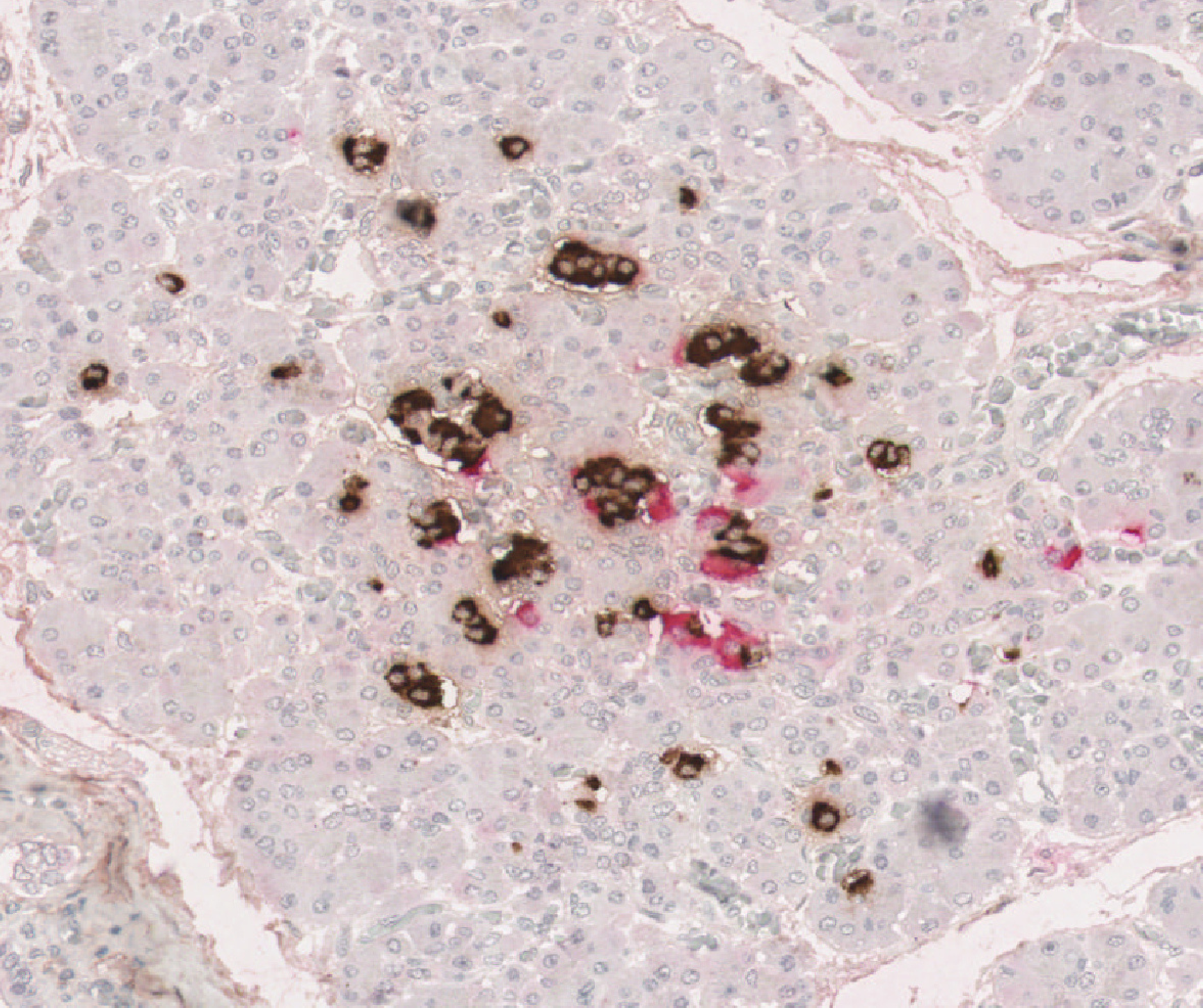
Professor Sarah Richardson and her team have made a major breakthrough in understanding why type 1 diabetes is more aggressive in young children, revealing that nearly all their insulin-producing beta cells are destroyed before they can mature. The new insights could pave the way for new strategies to prevent or delay type 1 diabetes and, in time, contribute to a cure.
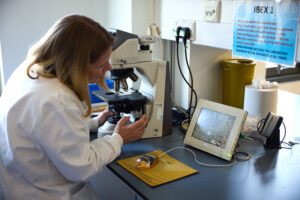
Professor Sarah Richardson, looking at islet samples through a microscope in her lab.
We know that type 1 diabetes is an autoimmune condition, where the immune system attacks and destroys the beta cells in the pancreas. In young children, typically under the age of 7, the immune attack and its destruction of beta cells typically progress rapidly. This can increase the likelihood of diabetic ketoacidosis at diagnosis and make the condition particularly difficult to manage.
Until now, scientists had limited tools to study the early development of beta cells, which are found in clusters in the pancreas. In young children, these clusters are small and still forming, and only contain a few beta cells.
In their latest study published in Science Advances, Professor Richardson and her team used cutting-edge scientific techniques to study these small clusters in unprecedented detail. They analysed rare pancreas samples from over 250 people of varying ages, both with and without type 1 diabetes. They looked at how these clusters change as we age and how they are affected by the immune system.
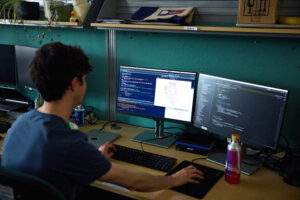
Teifion Luckett from Sarah’s team, looking at data for their research
The findings confirm that in early childhood, people without type 1 diabetes have many small clusters of beta cells, which normally increase in size and mature with age, with the most rapid development occurring in the first few years of life.
For the first time, our Grand Challenge researchers showed that in people with type 1 diabetes these small clusters are almost completely absent, having been destroyed by the immune system. While some people with type 1 diabetes retained a few large clusters, allowing them to produce small amounts of their own insulin, this was not the case for those diagnosed at a young age.
Together, the results suggest that the abundant small clusters found in young children are especially vulnerable to the type 1 diabetes immune attack. Their rapid destruction prevents them from maturing, leaving very few beta cells later in life. This explains why children diagnosed with type 1 diabetes at a young age typically are unable to produce any of their own insulin, making the condition particularly difficult to manage.
This research underscores the critical role of these small clusters in healthy pancreas development and opens the door for new treatments to protect children’s small clusters of beta cells, giving them the chance to mature into large clusters that are less vulnerable to the immune attack. It also strengthens the case for early type 1 diabetes screening – particularly in young children – essential for identifying those in the early stages of type 1 diabetes before these crucial cells are lost.
Professor Sarah Richardson said:
“These tiny insulin-producing beta cell clusters – once overlooked – hold big clues to understanding type 1 diabetes. This new perspective has the potential to reshape how we screen, treat, and even prevent type 1 diabetes. Protecting small beta cell clusters early could be key to stopping type 1 diabetes before it starts.”
Gareth and Joanne Nye’s daughter was diagnosed with type 1 diabetes at just 23 months old. They told us:
“Gracie’s diagnosis was traumatic for our whole family. In less than 48 hours she went from being a toddler with what we thought was a slight cold, to lying unconscious in a hospital bed with diabetic ketoacidosis (DKA), close to death. We lived in constant fear, setting alarms every two hours to finger prick her at night, worrying if she’d still be with us in the morning.
“Research like this, and the possibilities it holds, will be vital in reducing the number of children diagnosed in critical care, like Gracie. It gives us confidence that one day she could be free from her condition – and that fewer parents and children will have to go through this same experience.”
Dr Elizabeth Robertson, Director of Research and Clinical at Diabetes UK, said:
“The Type 1 Diabetes Grand Challenge set out to fund bold, ambitious research with the potential to fundamentally shift progress toward new treatments and, ultimately, a cure for type 1 diabetes. This study delivers on that vision by challenging the foundations of previous understanding about the development of type 1 diabetes in early childhood.
“Uncovering why type 1 diabetes is so aggressive in young children opens the door to developing new immunotherapies aimed at slowing or stopping the immune attack, potentially giving children more precious years without insulin therapy and, one day, preventing the need for it entirely.”
Rachel Connor, Director of Research Partnerships at Breakthrough T1D, said:
“This study gives us a missing piece of the puzzle, explaining why type 1 diabetes progresses so much faster in children than in adults. For families, that rapid progression can turn everyday life upside down, with a child becoming seriously unwell before the condition is even recognised and parents having to take on a demanding new routine overnight. By revealing how the condition behaves differently in young children, these insights can guide the development of more effective, targeted treatments for young people living with type 1 diabetes.”
News, News
News, News
News, Views
News
Early research on “smart” insulin brings hope for safer type 1 diabetes management
October 6, 2025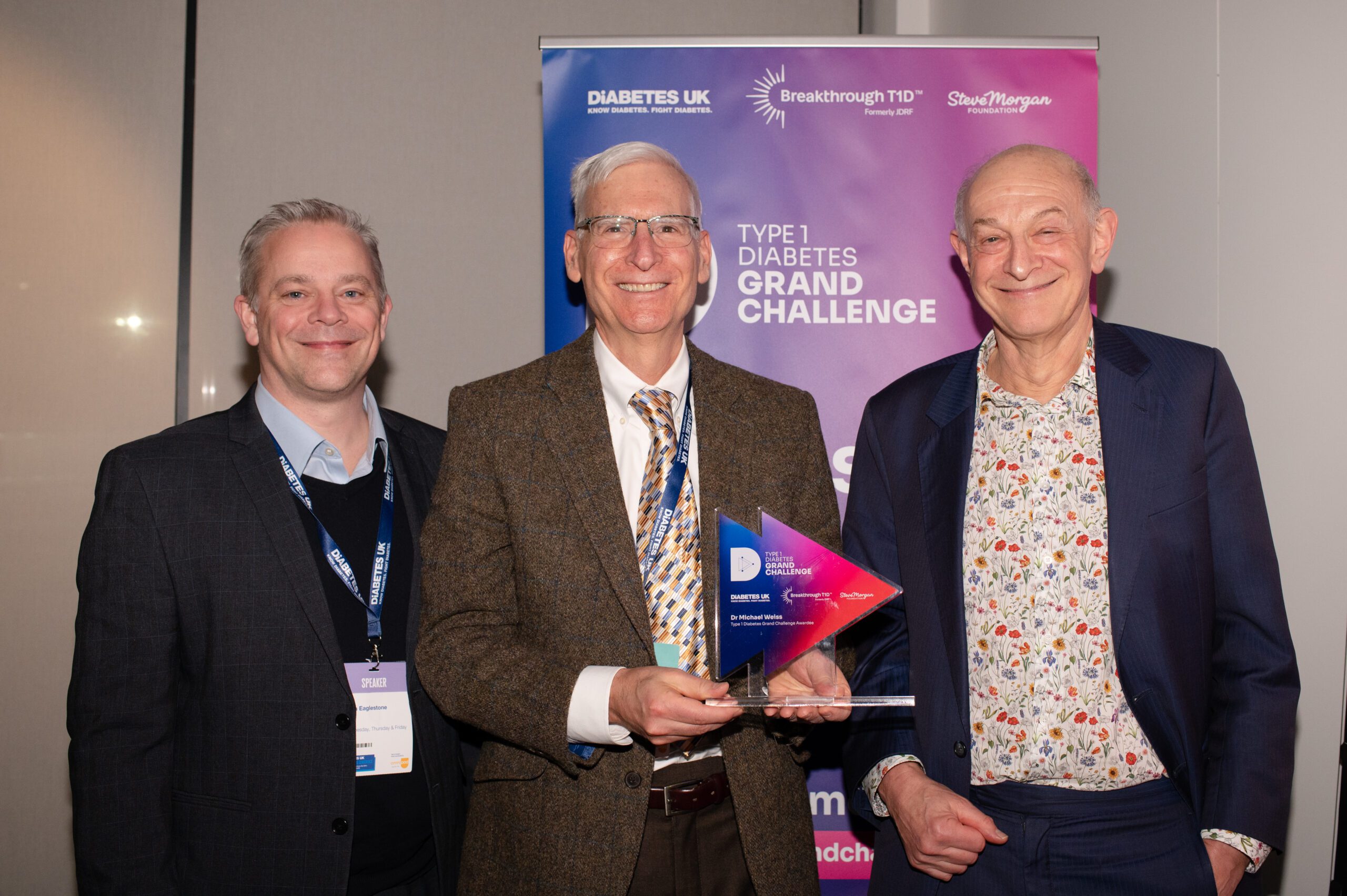
Researchers funded by the Type 1 Diabetes Grand Challenge have developed a new insulin–glucagon molecule, which could reduce dangerous drops in blood glucose, known as hypoglycaemia. For people living with type 1 diabetes, where hypoglycaemia is a constant risk, this breakthrough has the potential to make daily management safer and more reliable.
In type 1 diabetes (T1D), a person’s body doesn’t produce enough insulin, meaning blood glucose levels will continue to climb if insulin is not given (either by injection or using a pump). Managing blood glucose levels is a constant balancing act for people with type 1 diabetes, between administering the correct amount of insulin and their blood glucose going too high or too low and dealing with the consequences of this. If blood glucose goes too high, this can cause a potentially fatal complication called diabetic ketoacidosis, where a person’s blood becomes too acidic. Sustained high blood glucose levels can damage the eyes, feet, heart and kidneys. If blood glucose levels drop dangerously low it can lead to seizures, coma, and can sometimes be fatal.
Findings by US-based researchers, published in ACS Pharmacology and Translational Science, show success in engineering a product that combines both glucagon and insulin in the same molecule. Insulin is the hormone responsible for reducing blood sugars by enabling cells to use glucose for energy, and glucagon is the hormone responsible for a raising in blood glucose. This molecule was then able to take advantage of the body’s built in ‘on/off switch’ in the liver. The liver naturally responds more to insulin when glucose is high and more to glucagon when glucose is low. When blood glucose is high, the insulin part of the molecule is active, lowering blood glucose like regular insulin. However, when blood glucose is low, the glucagon part is active, signalling to the liver to release glucose and preventing low blood sugar episodes (known as hypoglycaemia or hypo).
The research team tested the new insulin in rats, with positive initial results. The insulin behaved as intended: lowered blood glucose when high and helped raise blood glucose when low – unlike regular insulin. It also reduced the need for emergency glucose injections in the rats during hypoglycaemia.
The two parts of the molecule (insulin and glucagon) worked independently but in balance, just like separate hormones. The promising results indicate that the new molecule could help lower the chance of hypoglycaemia in people with type 1 diabetes.
The study also showed that the new form of insulin stayed stable for weeks without the need for refrigeration before opening, giving it a longer shelf life than expected. This makes it more reliable for people with T1D and easier for manufacturers to produce, store, and transport.
Low blood glucose is as unpleasant side effect of type 1 diabetes. It normally occurs due to an imbalance between insulin dose, food intake and physical activity. Having a hypo is something which, if possible, all people with type 1 diabetes would want to avoid. It can be dangerous as when blood glucose is low as the brain is deprived of its energy source – glucose. This leads to a sensation of weakness, dizziness or blurred vision, alongside feeling angry or confused. There are many other potential symptoms.
This research has been funded by the Type 1 Diabetes Grand Challenge, a partnership between Breakthrough T1D, Diabetes UK and the Steve Morgan Foundation.
Michael Weiss, distinguished Professor in the Department of Biochemistry & Molecular Biology, Indiana University School of Medicine, said:
“For the past century, coping with hypoglycaemia (the lows) has been an ever-present challenge in type 1 diabetes. This has made creating glucose-responsive insulins (smart insulins) a major goal. Our approach simplifies such design by exploiting an endogenous ‘smart’ switch in the liver, how the body naturally adjusts relative hormonal responses based on whether the blood glucose level is high or low: Too high, insulin wins; too low, glucagon wins!”
Michael Weiss was also supported by lab partner and colleague at Yale, Associate Professor Raimund Herzog, who was part of the team proposal and oversaw the animal testing.
Rachel Connor, Director of Research Partnerships at Breakthrough T1D UK, said:
“This new development in novel insulins research hold exciting promise for people with T1D. Avoiding low blood glucose is a constant balancing act for people with type 1 diabetes, as so many factors can combine to affect blood glucose levels. An insulin offering protection from hypoglycaemia could have a profound impact on the mental burden of living with T1D. With funding from the Type 1 Diabetes Grand Challenge, we’re excited to be driving innovations as fast as possible toward testing with people who live with T1D.”
Dr Elizabeth Robertson, Director of Research and Clinical at Diabetes UK, said:
“The Type 1 Diabetes Grand Challenge is committed to supporting innovation that meets the needs of people living with type 1 diabetes. These positive results are an exciting step towards next-generation insulins that could ease the burden of daily management with insulin therapy. We look forward to seeing this promising research advance into human studies and, ultimately, improve the lives of everyone who depends on insulin therapy.”
With new research such as this, there is a possibility to reduce the number of hypos, which would be safer for all people living with type 1 diabetes. This research is in its early stages, with many more steps to occur before it will be made available to the public. The eventual aim is to create two different types of insulin; a longer lasting version for use once a week, and a short acting version for use in insulin pumps.
News, News
News, News
News, Views
News
Funding boost enables UK researchers to access European type 1 diabetes cell therapy collaboration
September 23, 2025
UK researchers will be able to collaborate with European experts on a major funding initiative to develop cell therapies for type 1 diabetes, thanks to funding from the Type 1 Diabetes Grand Challenge in partnership with UK Research and Innovation (UKRI).
Earlier this year, the UK Government confirmed that UK researchers would be unable to access EU funding for four European Innovation Health Initiative (IHI) call topics – part of the Horizon Europe Framework Programme – due to budget timing issues.
This included the high-profile ‘Leveraging Europe’s Expertise to Accelerate Cell Therapy for Type 1 Diabetes’ call topic, which aims to drive the widespread adoption of beta cell therapy by ensuring its efficacy, accessibility, and integration into healthcare systems.
This risked excluding eligible UK researchers from one of the largest collaborations in the field, potentially leading to duplicated efforts across Europe and slowing progress.
Now, the Grand Challenge will commit up to £2 million over 5 years to ensure UK institutions can participate in the IHI call. The funding will be administered through UKRI.
This investment will mean UK researchers can stay fully embedded in European collaboration and strengthen international knowledge-sharing, to accelerate progress towards life-changing new treatments for people living with type 1 diabetes.
Dr Elizabeth Robertson, Director of Research and Clinical at Diabetes UK, said:
“This funding from the Steve Morgan Foundation will help ensure UK researchers can stay at the forefront of beta cell therapies. It reflects the Type 1 Diabetes Grand Challenge’s determination to act with urgency and to safeguard collaborations, so that people with type 1 diabetes can benefit from life-changing therapies without delay.”
Liam Eaglestone, Chief Executive Officer of the Steve Morgan Foundation, said:
“At the Steve Morgan Foundation, we are committed to transforming the lives of people with type 1 diabetes. When it became clear that additional support was needed for UK researchers to join this important European collaboration, we acted quickly with our Type 1 Diabetes Grand Challenge partners to help make that possible. This funding will ensure UK expertise continues to play a central role in international efforts to advance cell therapies, bringing us closer to life-changing treatments for everyone affected by type 1 diabetes.”
Rachel Connor, Director of Research Partnerships at Breakthrough T1D UK, said:
“We believe that curing type 1 diabetes will take a truly global effort. That’s why we’re committed to ensuring UK researchers can contribute to and benefit from international collaborations like this one. By unlocking access to world-class partnerships, we’re accelerating progress towards breakthrough therapies and keeping the UK firmly embedded in the global push for cure.”
Professor Christopher Smith, the International Champion of UKRI and the Executive Chair of the Arts and Humanities Research Council (ARHC), said:
“This funding enables UK researchers to remain engaged in a major European initiative advancing cell therapies for type 1 diabetes. It reflects UKRI’s commitment to international partnerships that accelerate scientific progress and deliver real-world impact. This collaboration will support UK institutions to drive forward transformative treatments that could change lives across the UK and beyond.”
The first-stage application deadline for the call is 9 October.
Further Information
- Please note that: (1) the UK funding will be administered by UKRI in parallel to (but separate from) the UK Horizon Europe Guarantee and will use largely similar rules; and (2) there will be a requirement for UK organisations to submit a short form with basic information to UKRI and Diabetes UK.
- Potential UK applicants (or their collaborators) should contact Jo Frost – the UK National Contact Point (NCP) for Horizon Europe Health – for further details as soon as possible at ncp-health@iuk.ukri.org
- Mirroring the UKRI Horizon Europe Guarantee process, applicants will be bound by: the IHI project’s Consortium Agreement; relevant clauses in the IHI Grant Agreement; and the terms and conditions of the UKRI Horizon Grant Offer Letter.
In addition, for this call and as part of the Diabetes UK funding conditions, applicants will also be required to agree to Diabetes UK’s standard revenue share agreement in relation to future possible use of IP. Applicants are advised to review section 3 of the Diabetes UK Revenue Share Agreement.
We would advise applicants to share the Diabetes UK standard revenue agreement with their international consortium straight away and ensure that the consortium is aware of the content of the agreement. - Further information on IHI Call 11 Topic 4 “Leveraging Europe’s expertise to accelerate cell therapy for type 1 diabetes” is available on the IHI website.
News, News
News, News
News, Views